Privacy at Home: How to Create a Sense of Security in Your Most Personal Spaces

Privacy at Home: How to Create a Sense of Security in Your Most Personal Spaces
In an age when our homes double as offices, classrooms, and social hubs, privacy has become a cornerstone of well-being. Feeling safe and undisturbed in your own space isn’t just about locks on the doors—it’s about atmosphere, design, and mutual respect. Here’s how you can create a stronger sense of privacy and comfort at home, without sacrificing connection or convenience.
Home as a Sanctuary
Home should be the place where you can truly exhale. It’s where you recharge, reflect, and simply be yourself. Yet, in many modern American homes—especially those with open floor plans—it can be hard to find a quiet corner. That’s why it’s important to carve out small zones where you can shut out the world for a while.
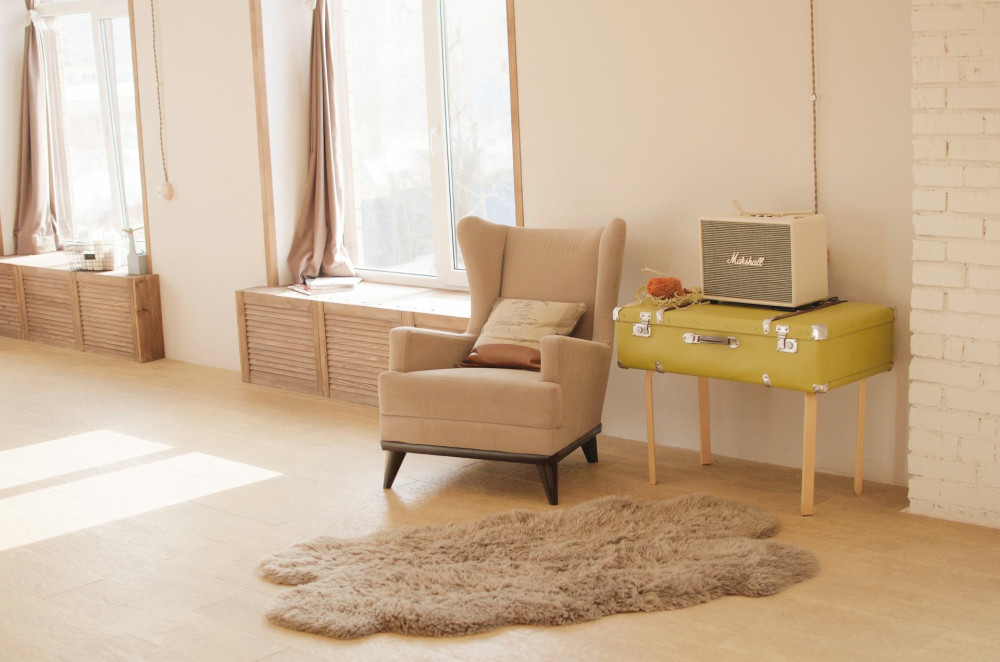
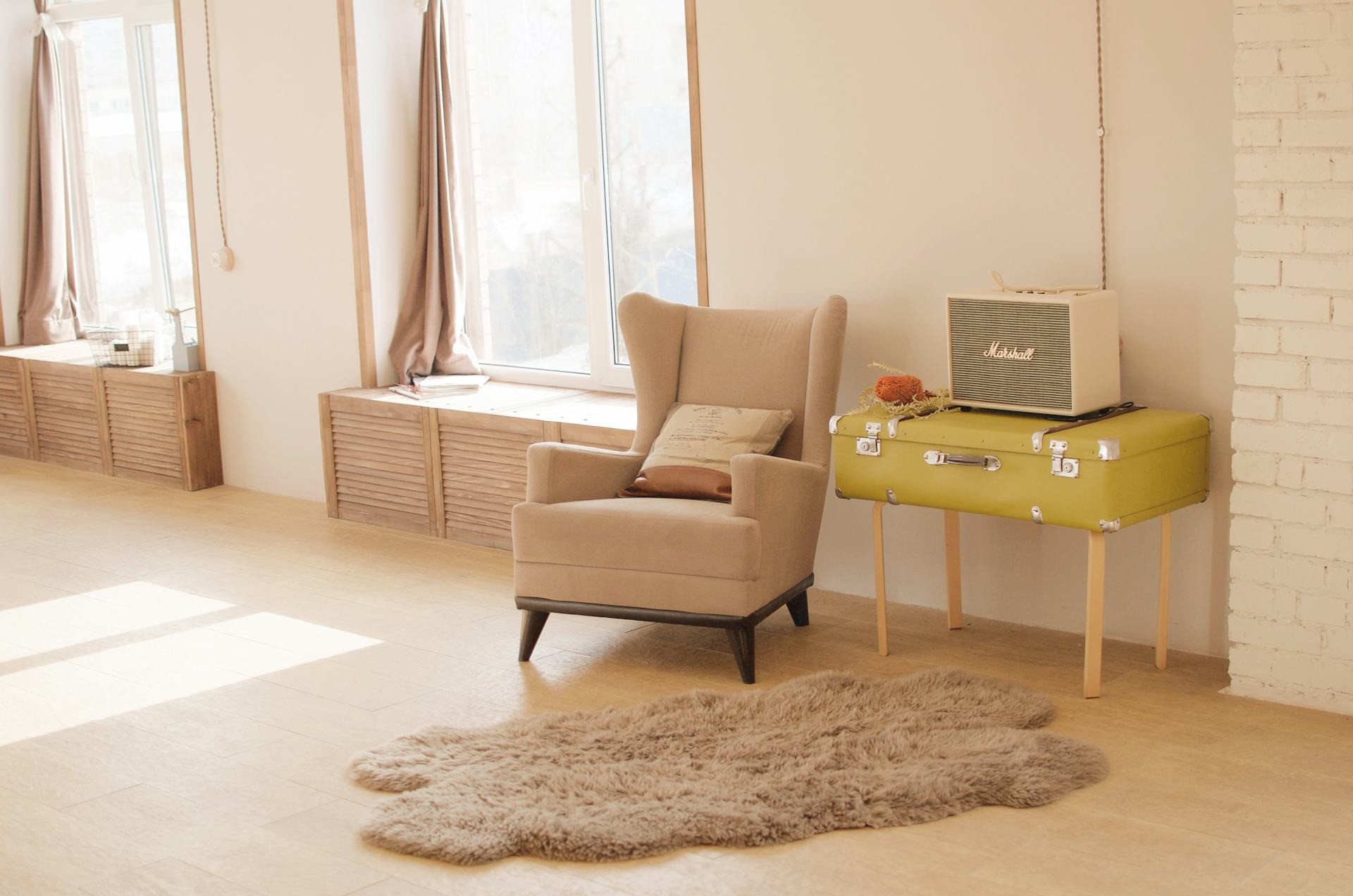
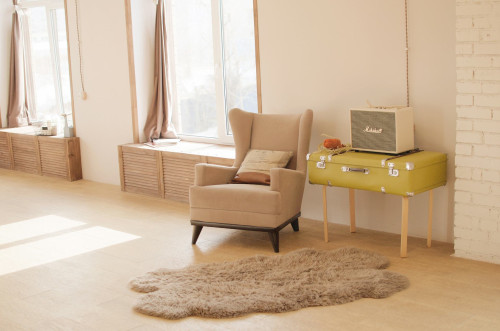
It might be a reading nook with a cozy chair and soft lighting, a bathroom that feels like a mini spa, or a bedroom that serves as your personal retreat. Privacy doesn’t require a big house—it requires intentional choices.
Læs også:
Design That Protects Your Privacy
The way you design your home has a major impact on how secure and relaxed you feel. Even small adjustments can make a big difference:
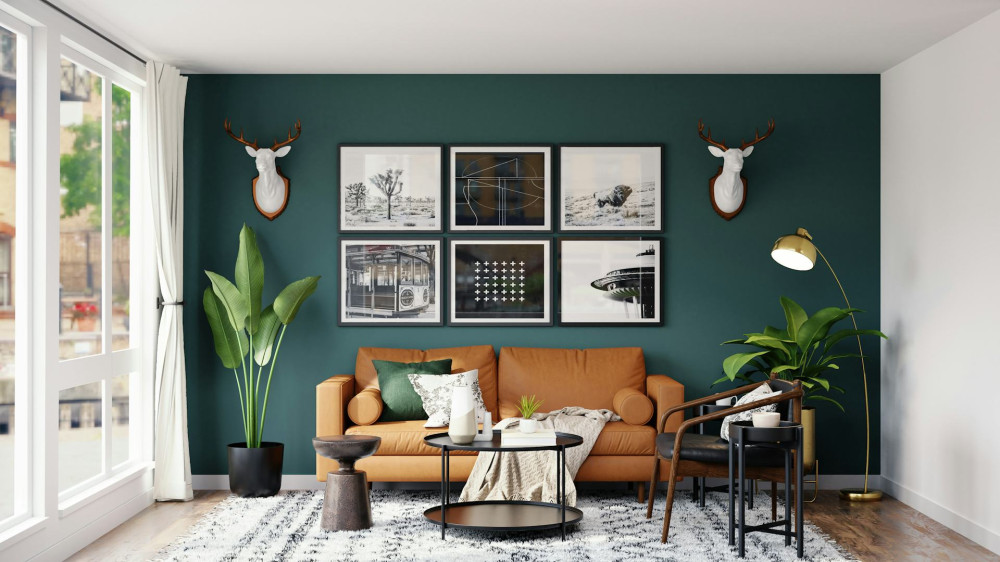
- Use room dividers or curtains to create separation in open spaces. They provide both visual and mental calm.
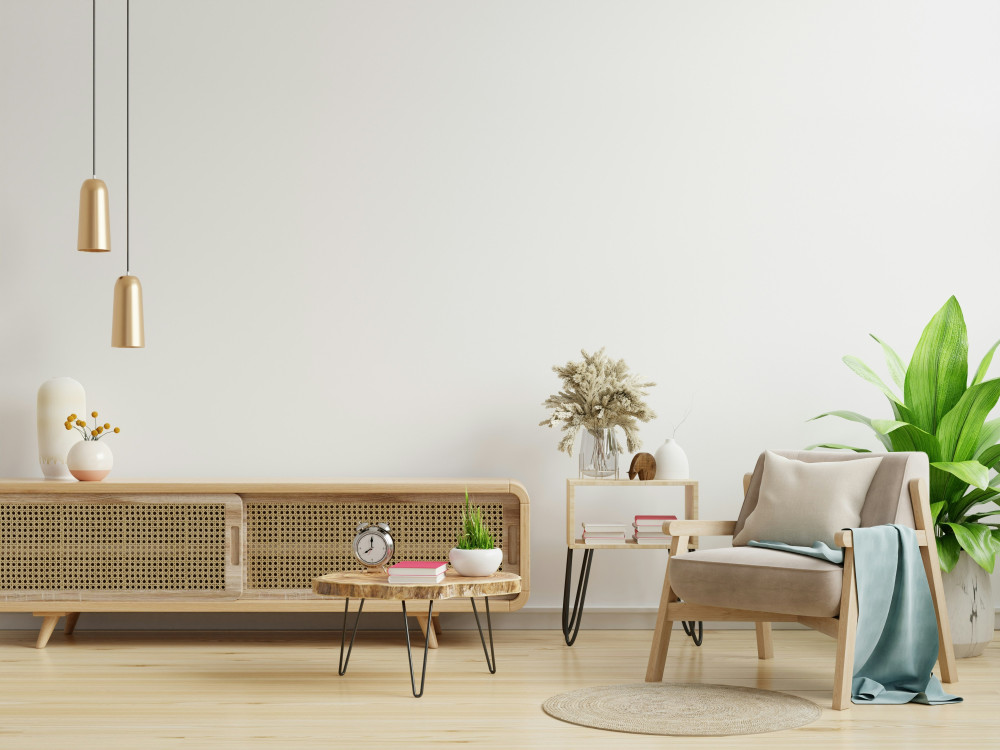
- Incorporate sound-absorbing materials like rugs, drapes, and textiles to reduce noise and make rooms feel more intimate.
- Adjust your lighting—soft, warm tones promote relaxation, while harsh lighting can feel intrusive.
- Add personal touches such as photos, plants, or meaningful objects that make the space feel uniquely yours.
When your surroundings reflect who you are, it’s easier to feel at ease.
Technology and Privacy: Finding the Right Balance
Smart home devices can make life easier, but they can also raise privacy concerns. Cameras, voice assistants, and sensors collect data that may feel intrusive if not properly managed.
Be mindful of what technology you truly need and how it handles your information. Turn off microphones when not in use, review privacy settings, and keep software updated. Privacy today isn’t just about physical boundaries—it’s also about digital awareness.
Respecting Each Other’s Space
In families or shared households, privacy is a shared responsibility. Everyone needs time alone, even in close quarters. Set clear expectations—knock before entering someone’s room, and agree on quiet hours when possible.
For children and teens, having a private space is especially important. It helps them develop independence and trust when they know their boundaries are respected.
The Bedroom: Your Most Personal Space
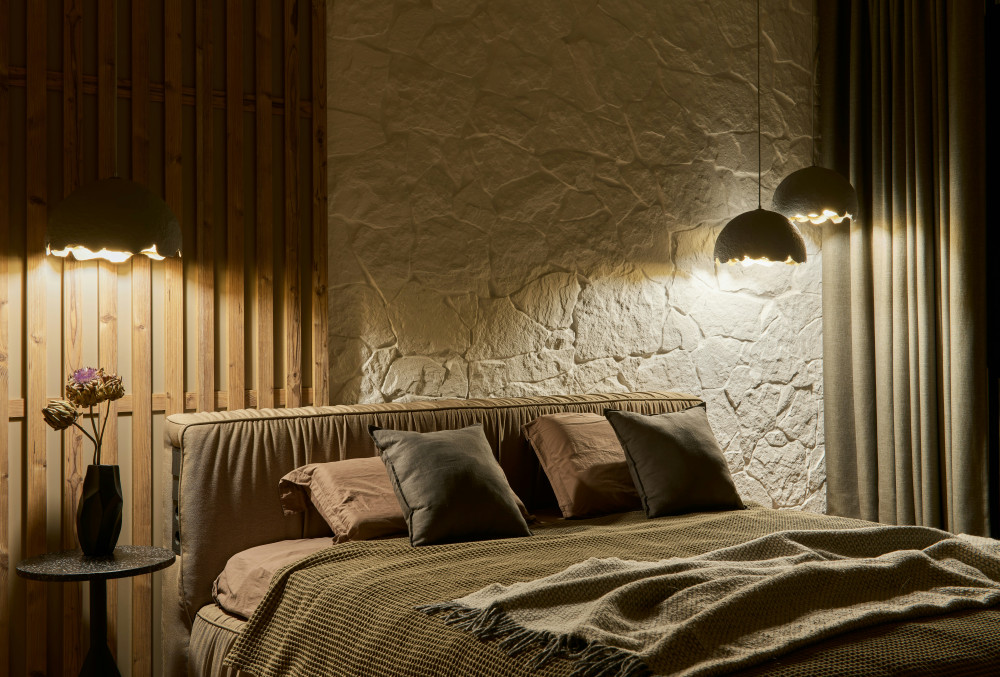
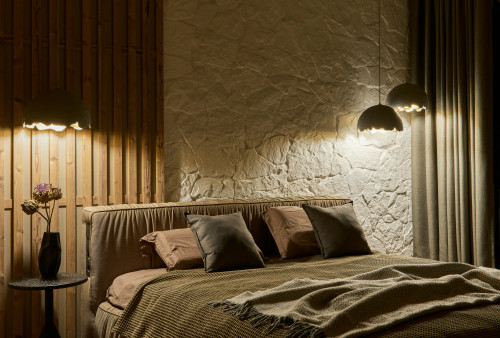
The bedroom is often the most private room in the home—and the one most closely tied to rest and recovery. To make it feel secure and soothing, minimize screens, choose calming colors, and keep the space dark, cool, and quiet.
A restful bedroom doesn’t just improve sleep—it enhances your overall sense of safety and balance.
Privacy as a Part of Well-Being
Creating privacy at home is ultimately about creating balance. It’s not about shutting others out, but about having the freedom to choose when to connect and when to retreat. When your home supports both solitude and togetherness, it becomes more than just a place to live—it becomes a place to thrive.
Læs også: