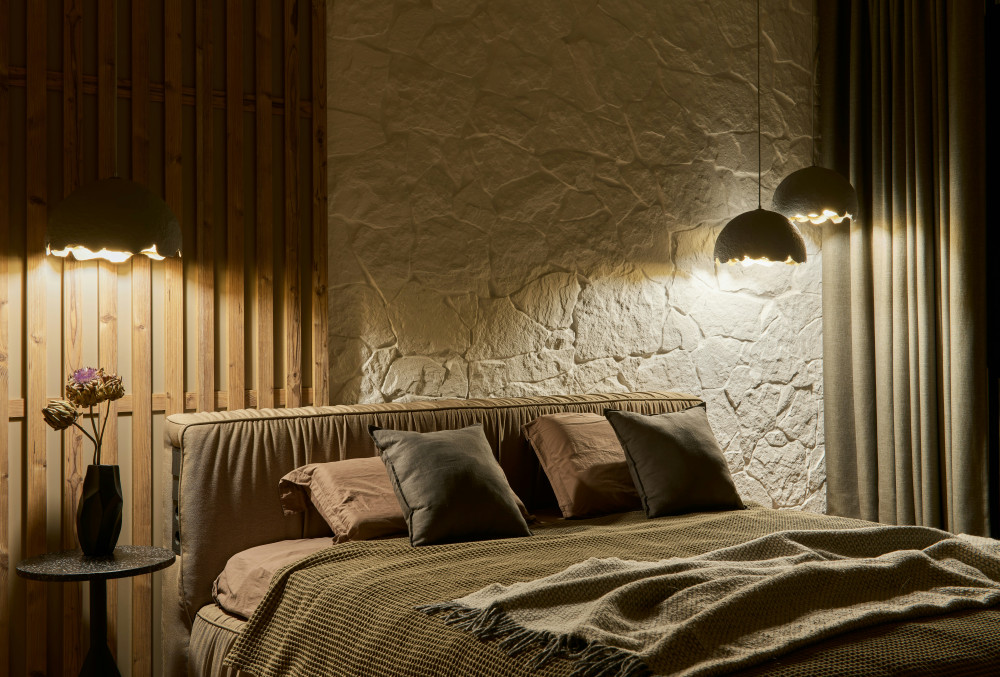
Durable Materials: Choose Fabrics Based on Use and Needs

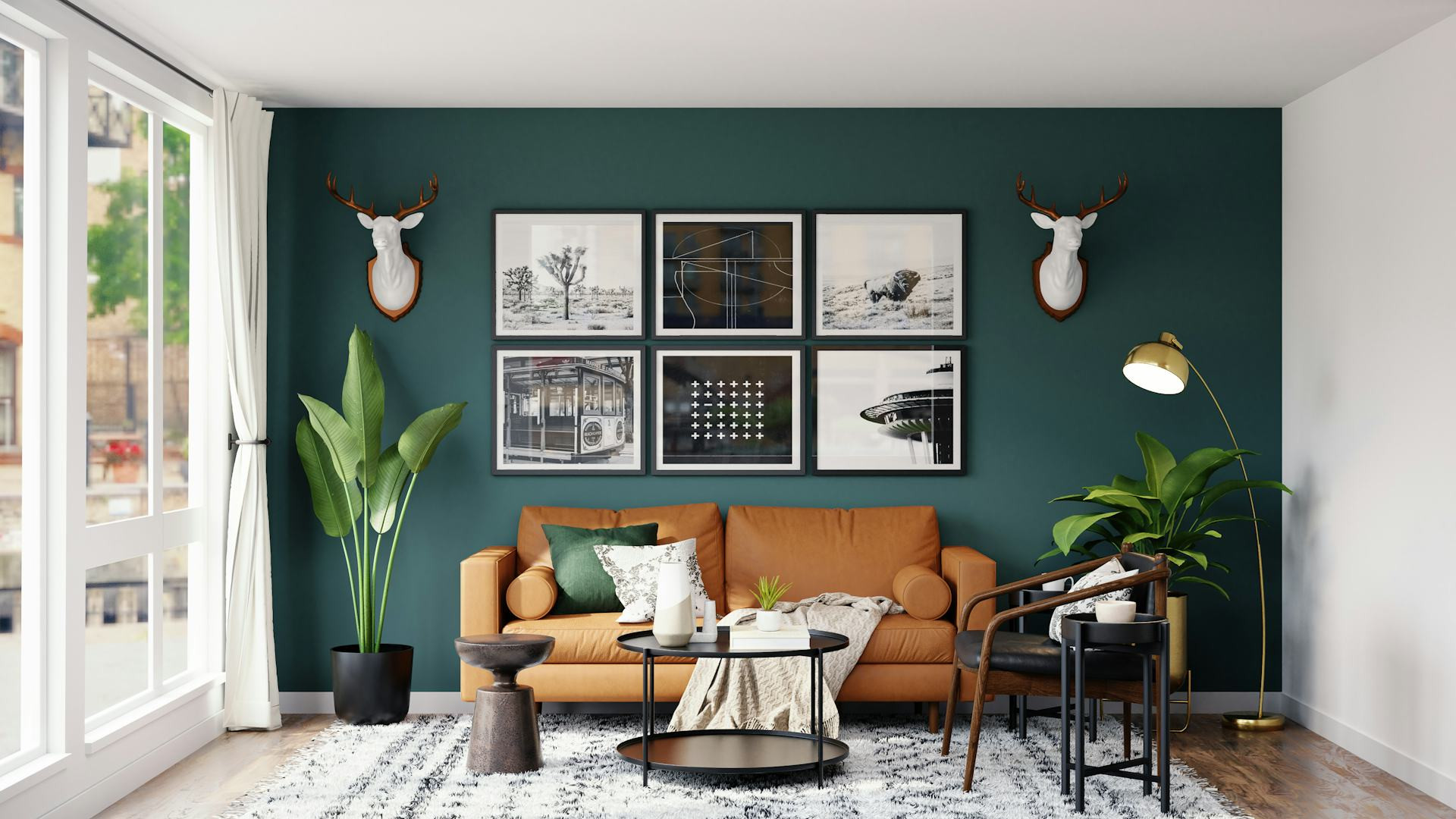
Durable Materials: Choose Fabrics Based on Use and Needs
When choosing fabrics for your home, it’s not just about color and pattern. The material itself plays a major role in how your space looks, feels, and lasts over time. A beautiful fabric can quickly lose its appeal if it’s not suited to its purpose—while a more durable one can stay attractive for years with the right care. Here’s a guide to help you select fabrics that fit your lifestyle and needs.
Know the Difference Between Natural and Synthetic Fibers
Most fabrics are made from either natural fibers, synthetic fibers, or a blend of both. Each type has its own strengths and weaknesses.
- Cotton is soft, breathable, and easy to wash. It’s great for bedding, towels, and everyday clothing, though it can shrink or fade over time.
- Linen has a natural texture and a relaxed, elegant look. It’s strong and cool to the touch but wrinkles easily—perfect for curtains or tablecloths where a casual, organic feel is part of the charm.
- Wool provides excellent insulation and is naturally resistant to dirt. It’s often used for rugs, throws, and upholstery, but it needs gentle care.
- Polyester and acrylic are synthetic fibers that are durable, easy to maintain, and resistant to sunlight. They’re ideal for upholstery and drapery that need to withstand daily wear.
Blended fabrics—such as cotton mixed with polyester—can offer the best of both worlds: softness and breathability combined with wrinkle resistance and shape retention.
Læs også:
Choose Based on Use, Not Just Looks
A fabric that works well in one setting might not be the best choice in another. Think about how the material will be used and how much wear it will face.
- For sofas and chairs, choose a heavy-duty upholstery fabric with a high abrasion rating. Furniture that gets daily use should have a durability rating of at least 20,000 double rubs (a common U.S. standard).
- For curtains, consider how the fabric drapes and how much light it lets through. Lightweight cotton or linen gives an airy feel, while heavier velvets or blends help block light and reduce noise.
- For bedding and pillows, comfort and breathability matter most. Natural fibers like cotton and linen are ideal.
- For outdoor use, fabrics must resist sun, moisture, and dirt. Synthetic materials like acrylic, olefin, or solution-dyed polyester are best—they’re UV-resistant, quick-drying, and easy to clean.
Think About Maintenance
Even the most beautiful fabric needs proper care to stay in good shape. Some materials can be machine-washed, while others require dry cleaning or gentle spot cleaning.
- Follow care labels carefully—high heat or harsh detergents can damage fibers.
- Avoid direct sunlight on fabrics that fade easily.
- Vacuum upholstery regularly to remove dust and debris that can wear down fibers.
- Rotate cushions and throws to ensure even wear.
If you have kids or pets, consider fabrics with stain-resistant finishes or removable covers that can be washed easily.
Sustainable Choices
Many manufacturers now offer fabrics made from recycled or responsibly sourced materials. These include organic cotton grown without pesticides, wool from certified farms, or polyester made from recycled plastic bottles.
Choosing sustainable fabrics not only reduces environmental impact but often means higher quality and longer lifespan. Look for certifications such as GOTS (Global Organic Textile Standard), OEKO-TEX, or Greenguard, which ensure that the materials meet environmental and health standards.
Create a Cohesive Look
Fabrics help define the mood of a room. By choosing materials that complement each other in texture and tone, you can create a space that feels both inviting and personal.
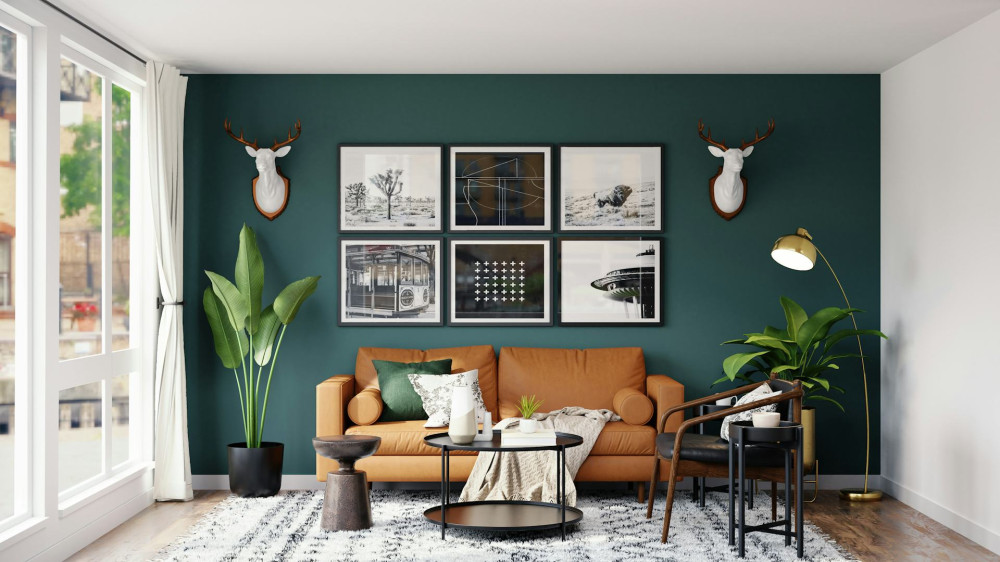
Try combining natural textures like linen and wool in the living room for a warm, organic feel, or use smooth, lightweight fabrics in the bedroom for a calm, restful atmosphere. It’s not just about aesthetics—it’s about creating a home that feels comfortable and lived-in.
Quality Pays Off
While high-quality fabrics may cost more upfront, they’re often a better investment in the long run. Durable upholstery or well-made curtains last longer, hold their color better, and need fewer replacements. That saves money, reduces waste, and keeps your home looking beautiful for years to come.
Læs også: