Home Design That Promotes Sleep and Calm – Here’s How

Home Design That Promotes Sleep and Calm – Here’s How
Your bedroom should be a sanctuary for rest, recovery, and peace of mind. Yet for many Americans, it’s a space filled with distractions—too much light, clutter, or technology that keeps the mind alert. The good news? A few thoughtful design choices can transform your bedroom into a haven that supports deep, restorative sleep. Here’s how to create a space that helps your body and mind unwind.
Set the Mood with Soothing Colors and Natural Materials
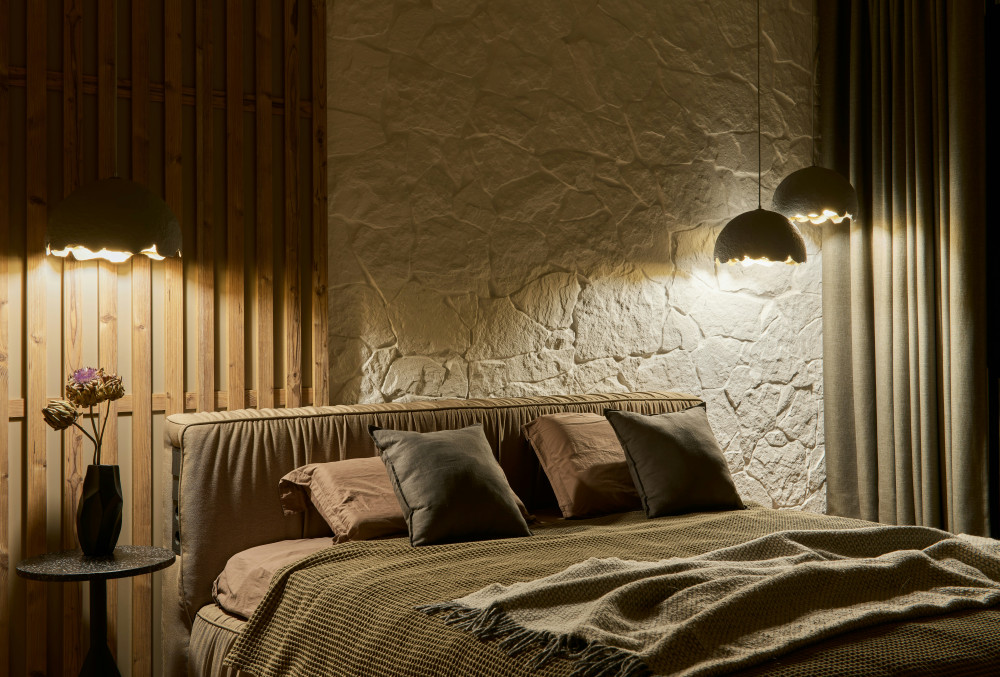
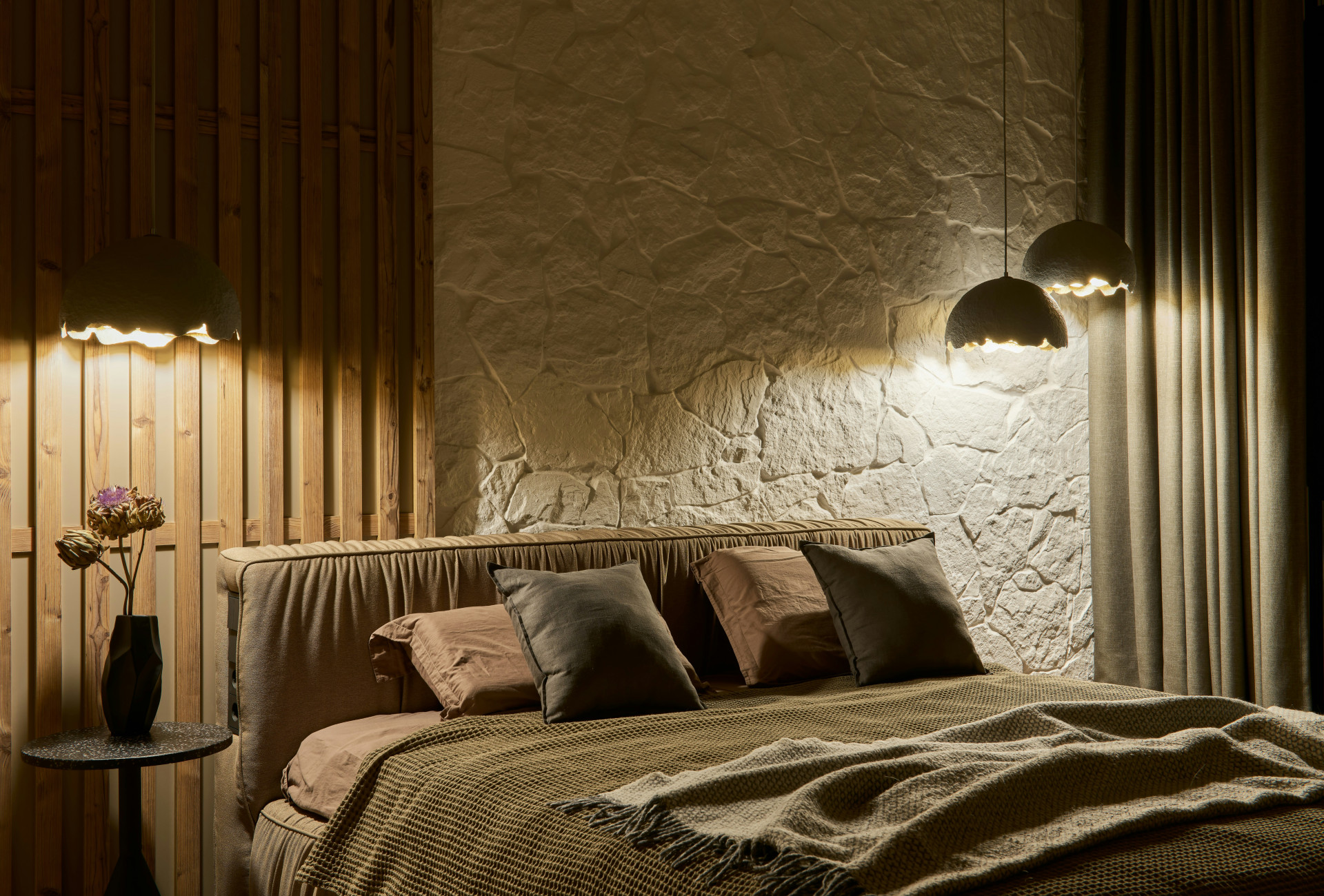
Color has a powerful effect on how we feel. In a bedroom, the goal is to choose shades that calm the senses and signal relaxation. Soft, muted tones like beige, gray, sage green, or pale blue create a serene atmosphere and make the room feel balanced.
Avoid harsh contrasts or overly bright colors, which can be stimulating. Instead, bring in natural materials—wood, linen, cotton, and wool—to add warmth and texture. A wool throw, linen duvet cover, or cotton curtains can make the space feel cozy and grounded.
Light That Supports Your Body’s Rhythm
Light plays a major role in regulating sleep. Too much artificial light in the evening can disrupt your body’s natural circadian rhythm. Choose lighting that can be dimmed and opt for warm, amber tones rather than cool white light.
Layer your lighting: a ceiling fixture for general use, bedside lamps for reading, and perhaps a small nightlight for gentle illumination. Blackout curtains are a smart investment, especially if you live in a city or an area with bright streetlights. In the morning, let natural light flood in—it helps your body wake up naturally and resets your internal clock.
Declutter for a Clear Mind
Clutter is one of the biggest enemies of relaxation. A messy room can make your mind feel just as chaotic. Keep your bedroom simple and organized. Avoid using it as a storage space for laundry, paperwork, or electronics.
Closed storage solutions—like drawers under the bed or wardrobes with doors—help keep visual clutter out of sight. A minimalist approach doesn’t mean sterile; it means everything has a place, and there’s room to breathe.
Choose the Right Bed and Bedding
Your bed is the centerpiece of the room, and its quality directly affects your sleep. A good mattress should support your body without feeling too firm. Take time to test different options and find one that suits your body type and sleeping position.
Bedding made from natural, breathable fabrics like cotton, linen, or bamboo helps regulate temperature and feels comfortable against the skin. Avoid synthetic materials that trap heat. Wash your sheets regularly and air out your bed daily—fresh linens and clean air make a noticeable difference in how you sleep.
Keep Technology Out of the Bedroom
Phones, tablets, and TVs don’t belong in a sleep-friendly space. The blue light from screens suppresses melatonin, the hormone that helps you fall asleep. Try creating a “tech-free zone” at least 30 minutes before bedtime.
If you use your phone as an alarm, switch it to airplane mode and place it across the room. This reduces the temptation to scroll and helps your mind settle before sleep.
Engage the Senses: Scent, Sound, and Temperature
Your senses play a big role in how easily you relax. A subtle scent of lavender, chamomile, or cedarwood can have a calming effect. Use an essential oil diffuser or place a few drops on your pillow.
Sound matters too. If you live near traffic or noisy neighbors, heavy curtains or a soft rug can help absorb sound. Some people find comfort in gentle background noise, like a fan or white noise machine.
Keep the temperature cool—around 65°F (18°C) is ideal for most people. A slightly cool room helps your body lower its core temperature, which signals that it’s time to sleep.
Make It Personal, but Peaceful
Your bedroom should reflect your personality, but too many visual distractions can be overstimulating. Choose a few meaningful items—a favorite photo, a plant that purifies the air, or a book you love. The goal is to create a space that feels safe, balanced, and uniquely yours.
Læs også:

A Space for Rest—and for You
Designing a bedroom that promotes sleep and calm isn’t just about style; it’s about well-being. When you prioritize tranquility, order, and natural materials, you send a message to your body that this is a place for rest. It’s an investment in your sleep—and in your everyday life.
Læs også: