When Is It Time to Switch the Kids’ Seasonal Wardrobe?

When Is It Time to Switch the Kids’ Seasonal Wardrobe?
As the seasons change, so do kids’ clothing needs. Between growth spurts, unpredictable weather, and busy family schedules, it can be tricky to know exactly when to swap out winter coats for T-shirts or pack away the swimsuits. Here’s a practical guide to help you time the seasonal wardrobe switch and keep your kids comfortable all year long.
Watch the Weather, Not the Calendar
In much of the U.S., the weather doesn’t always match the calendar. Spring can bring snow in the Midwest, while fall in the South can feel like summer. Instead of relying on dates, pay attention to temperature trends and local forecasts.
A good rule of thumb:
- Spring: When daytime highs stay above 55°F and heavy coats start feeling too warm, it’s time for lighter jackets, sneakers, and rain gear.
- Summer: Once nights are mild and kids start sweating in long sleeves, bring out shorts, sandals, and sun hats.
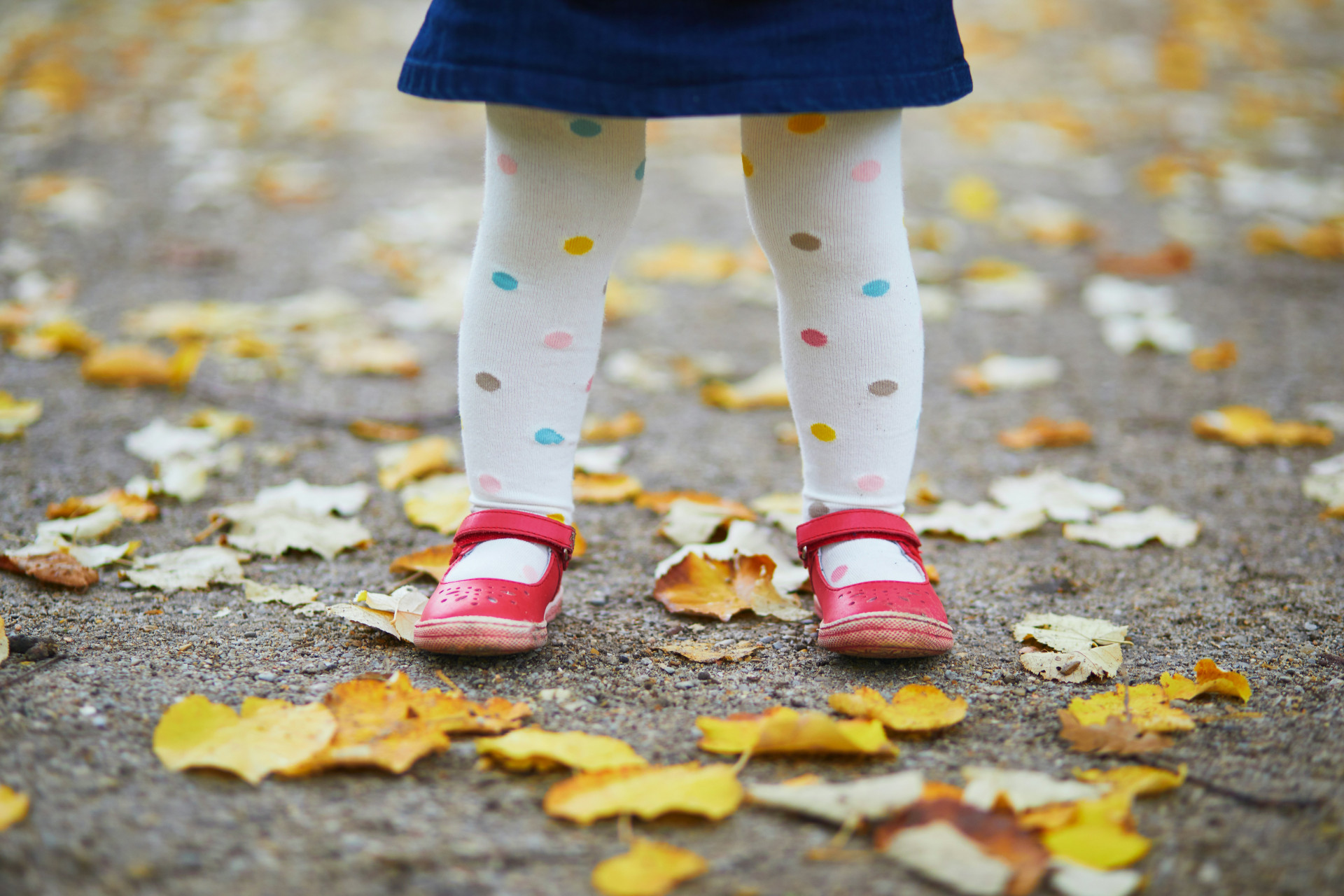
- Fall: When mornings turn crisp and you notice dew or frost, layer up with hoodies, light jackets, and waterproof shoes.
- Winter: When the first real cold snap hits—think below 40°F—bring out the insulated coats, gloves, and warm boots.
Switching gradually as the weather shifts helps avoid those “nothing to wear” mornings and keeps kids comfortable through the in-between weeks.
Go Through Clothes Together
Kids grow fast, and it’s easy to lose track of what still fits. Make the wardrobe change a joint activity—have your child try on clothes before you pack them away or bring them out. It’s a great way to involve them and teach responsibility.
Sort items into three piles:
- Still fits – keep for the coming season.
- Too small – donate, sell, or save for younger siblings.
- Worn out – repurpose as play clothes or cleaning rags.
Make a quick list of what’s missing so you can shop intentionally instead of buying on impulse.
Think Layers and Versatility
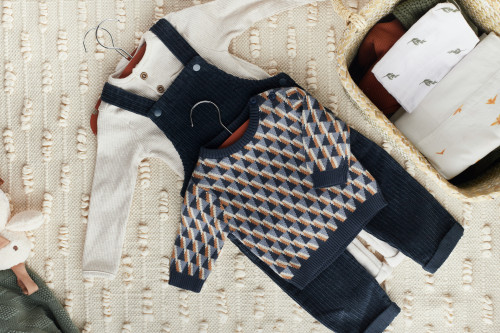
From chilly mornings to warm afternoons, layering is key—especially in regions with unpredictable weather. Building a flexible wardrobe means fewer items can cover more situations.
- Base layer: Soft cotton or moisture-wicking fabrics.
- Middle layer: Fleece or lightweight sweaters for warmth.
- Outer layer: Wind- or water-resistant jackets for protection.
Layering extends the life of each piece—like using a fleece under a winter coat or on its own during spring.
Make It a Routine
The best time to review your kids’ wardrobe is around school breaks—spring break, summer vacation, or back-to-school season. These moments often line up with weather changes and give you time to organize.
Create a simple routine:
- Check sizes and condition.
- Wash and store out-of-season clothes in labeled bins.
- Note what needs replacing before the next season starts.
A consistent system keeps mornings stress-free and helps you stay ahead of growth spurts.
Store Clothes the Right Way
Before packing away seasonal clothes, wash and dry everything thoroughly. Store items in airtight bins or vacuum-sealed bags to protect against dust and moisture. Add a dryer sheet or a small sachet to keep things smelling fresh.
Keep storage containers in a cool, dry place—under the bed, in a closet, or on a high shelf. Avoid damp basements or hot attics, which can damage fabrics.
Læs også:

Keep It Sustainable
Switching wardrobes doesn’t have to mean buying new every time. Look for adjustable waistbands, roll-up sleeves, or extendable hems that grow with your child. Swap clothes with friends, join local buy/sell groups, or shop secondhand online.
By reusing and recycling, you save money and teach your kids that sustainability starts at home.
A Fresh Start for a New Season
Changing your kids’ seasonal wardrobe isn’t just about practicality—it’s a chance to reset and get organized. When everything fits, looks good, and is ready for the weather ahead, mornings run smoother and kids can focus on what matters most: playing, learning, and exploring.
With a little planning and a few smart habits, the seasonal wardrobe switch can become a simple, even enjoyable, family tradition that marks the start of something new.
Læs også: