Wash Less, Preserve More: How to Save Energy and Protect Your Kids’ Clothes

Wash Less, Preserve More: How to Save Energy and Protect Your Kids’ Clothes
Kids’ clothes get dirty fast — that’s just part of life with active children. But frequent washing wears out fabrics, fades colors, and drives up your energy bill. The good news? With a few simple changes, you can make your kids’ clothes last longer while saving energy and money. Here’s how to wash smarter, not more often.
Less Washing Means Longer-Lasting Clothes and Lower Energy Use
Every wash cycle exposes clothes to heat, friction, and detergent, all of which gradually break down fibers. At the same time, your washer and dryer consume electricity and water — and in most U.S. households, laundry accounts for a significant portion of home energy use. By cutting back on unnecessary loads, you can reduce your environmental footprint and keep your kids’ clothes looking newer for longer.
Before tossing something in the hamper, ask yourself if it really needs a full wash. Often, a quick spot clean or a few hours of airing out can do the trick.
Læs også:


Air Out and Spot Clean — Small Habits That Make a Big Difference
Instead of washing everything after one wear, try these easy tricks to keep clothes fresh between washes:
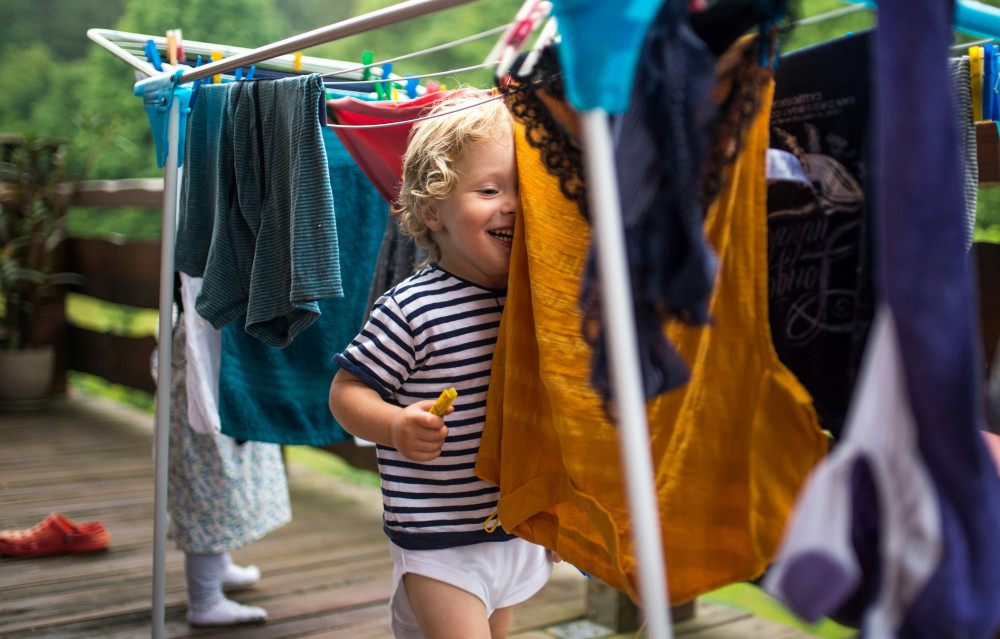
- Air clothes outdoors or near an open window. Fresh air helps remove odors and moisture, especially from cotton and wool. Avoid direct sunlight to prevent fading.
- Treat stains right away. Blot the spot gently with cold water and a mild soap. Avoid scrubbing too hard — it can damage the fabric.
- Use a lint roller or fabric brush. A quick brush can remove dust and dirt from jackets, sweaters, and pants without a full wash.
These small steps can save dozens of loads over time — and that means less wear on clothes and lower utility bills.
Wash Smart When You Need To
When it’s time to wash, a few mindful choices can make a big difference:
- Run full loads, but don’t overfill. A half-empty washer uses nearly the same amount of energy as a full one.
- Choose cooler water. Most detergents today are designed to clean effectively in cold or warm water, which uses far less energy than hot cycles.
- Select gentle cycles. They’re easier on fabrics and help preserve prints, colors, and stitching.
- Skip the dryer when possible. Air-drying saves energy and prevents shrinkage and fading. If you must use a dryer, use a low-heat setting and clean the lint filter regularly for efficiency.
By lowering wash temperatures and air-drying more often, you can cut laundry energy use by up to 40%.
Sort by Need, Not Just by Color
Most people sort laundry by color, but you can also sort by how dirty or delicate the items are. Muddy play clothes need a different treatment than a lightly worn T-shirt. Washing only what truly needs it prevents unnecessary wear on the rest.
A bonus tip: turn kids’ clothes inside out before washing. It helps protect prints, embroidery, and bright colors.
Choose Durable, Sustainable Materials and Detergents
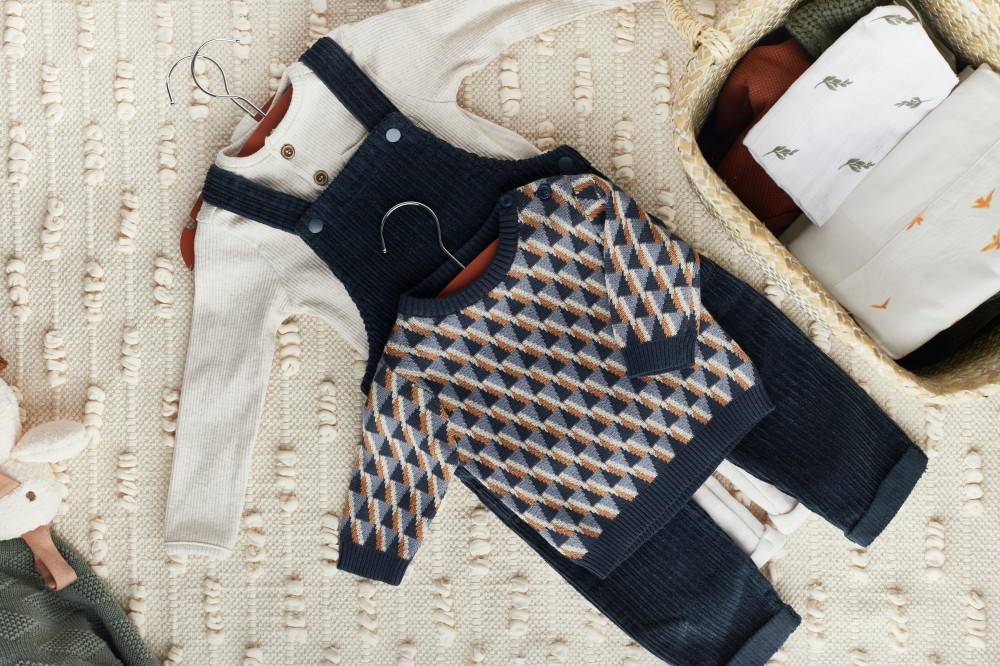
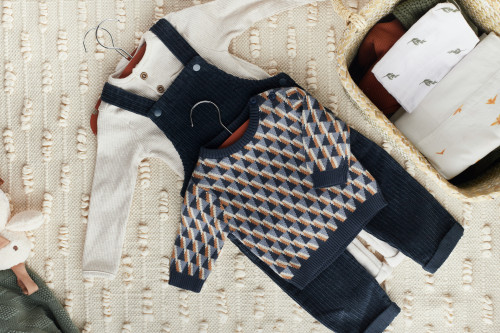
When buying new clothes for your kids, look for durable, easy-care fabrics like organic cotton, wool blends, or recycled fibers. These materials often last longer and require fewer washes. Pair them with eco-friendly, fragrance-free detergents that are gentle on sensitive skin and better for the environment.
Make It a Family Habit
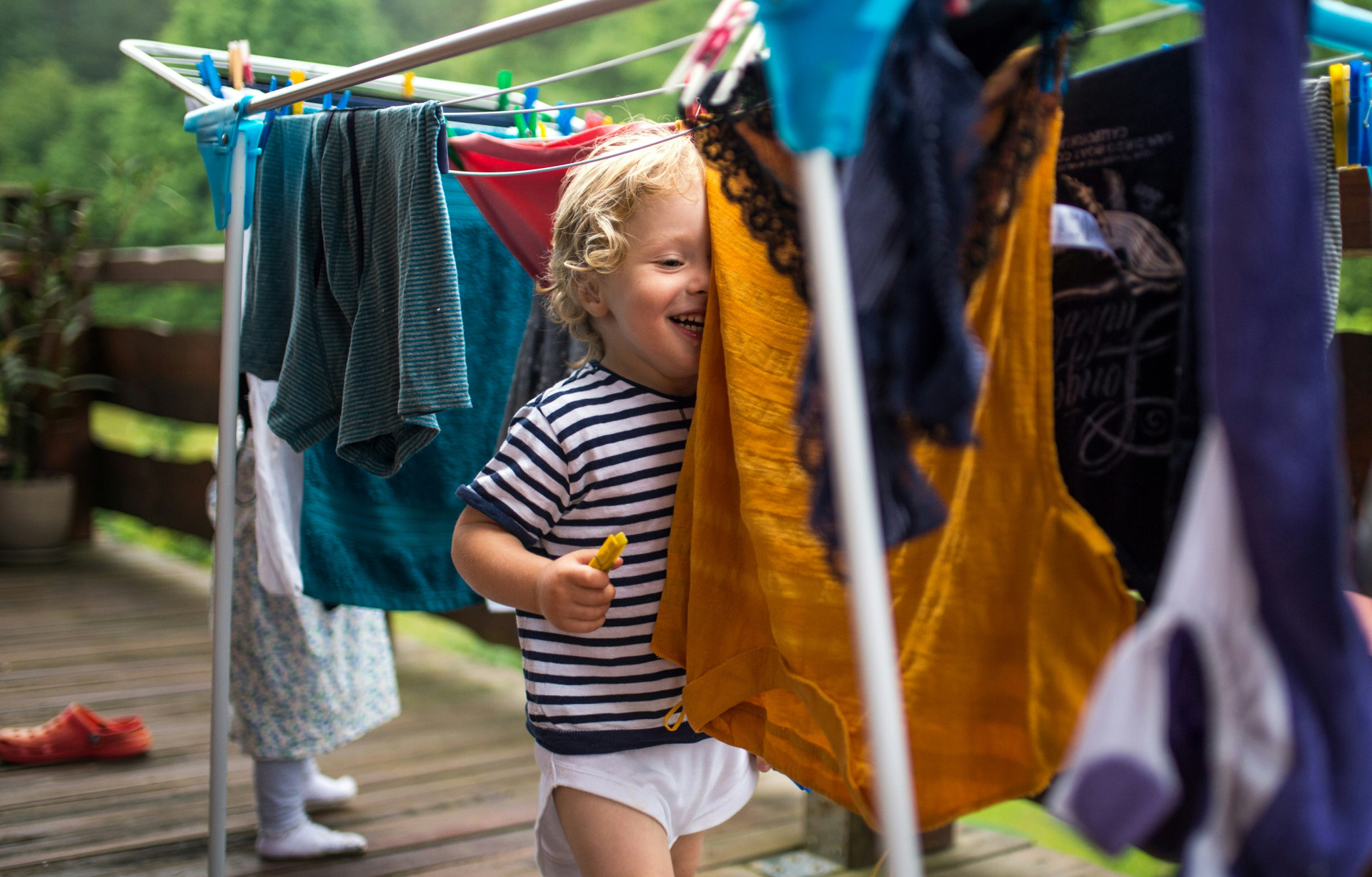
Kids learn from what they see. Involve them in hanging clothes to dry or treating small stains — it teaches them that clothes aren’t disposable and that caring for what we own matters. It’s a simple way to build sustainable habits together as a family.
Small Changes, Big Impact
Washing less isn’t about compromising cleanliness — it’s about being thoughtful with your resources. With a few easy adjustments, you can extend the life of your children’s clothes, save energy, and reduce waste. It’s good for your wallet, your wardrobe, and the planet.
Læs også: