How to Prevent Shrinkage in Children’s Clothing Made from Natural Materials – Steps You Need to Know


How to Prevent Shrinkage in Children’s Clothing Made from Natural Materials – Steps You Need to Know
When you buy children’s clothing made from natural materials like cotton, wool, or linen, you’re often choosing them for their softness, breathability, and eco-friendly qualities. But natural fibers come with one common challenge: they can shrink. A favorite shirt that suddenly fits like it’s two sizes smaller after the first wash can be frustrating and costly. Fortunately, with a few simple steps, you can prevent shrinkage and keep your child’s clothes looking and fitting their best.
Understand the Fabric – and Why It Shrinks
Natural fibers behave differently from synthetic ones. Cotton and linen are plant-based fibers that contract when exposed to heat and moisture. Wool, an animal fiber, has a natural scale-like structure that can interlock and tighten if handled incorrectly.
Shrinkage usually happens when fabrics are exposed to:
- High temperatures during washing or drying
- Sudden temperature changes between wash and rinse cycles
- Excessive agitation, such as heavy spinning or rubbing
The key is to wash and dry the clothes gently and always consider the specific needs of each material.
Læs også:

Step 1: Read the Care Label – and Follow It
It may sound obvious, but the care label is your best guide. Manufacturers test their garments before setting washing and drying recommendations.
- Cotton usually tolerates warm water, but delicate cotton or printed items may do best in cold water.
- Wool should be washed on a wool or delicate cycle with cold water and low spin speed.
- Linen can handle slightly warmer water but should not be tumble-dried.
When in doubt, choose the gentlest setting available.
Step 2: Use the Right Detergent
The detergent you use can make a big difference in how fibers respond to washing.
- For cotton and linen, use a mild, liquid detergent without bleach.
- For wool, use a special wool detergent that contains lanolin or other fiber-protecting ingredients to maintain softness and elasticity.
Avoid fabric softeners—they can coat the fibers and reduce breathability.
Step 3: Wash Gently and Don’t Overload the Machine
An overloaded washing machine increases friction between garments, which can lead to shrinkage. Fill the washer only about three-quarters full and select a gentle or delicate cycle with a low spin speed. If you’re washing wool, always use the wool setting—regular cycles move the fabric too much and can cause felting.
Step 4: Dry the Right Way
The dryer is the biggest culprit when it comes to shrinkage. Heat causes fibers to contract, and the tumbling motion intensifies the effect.
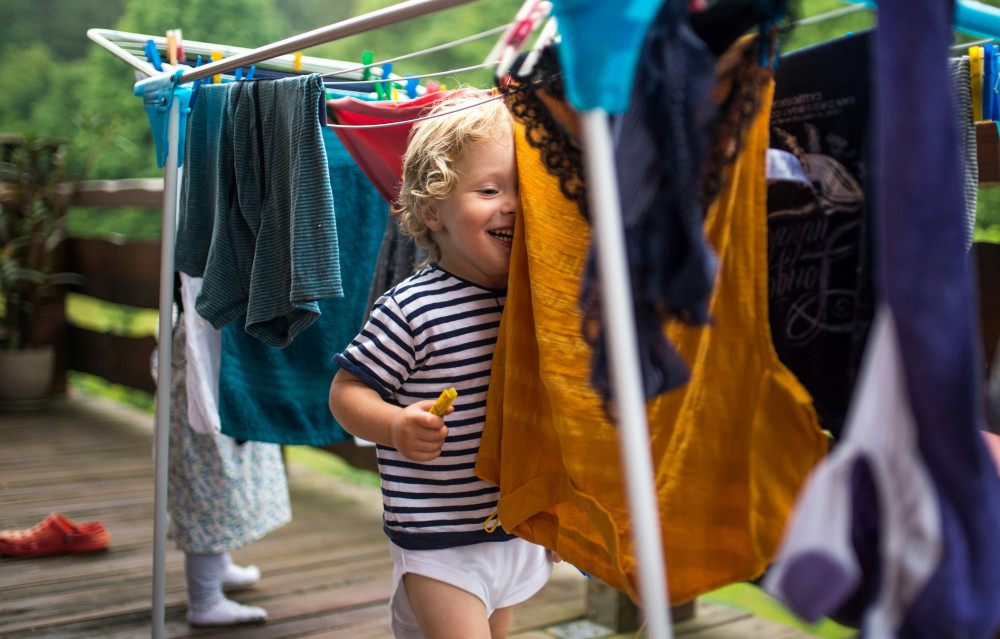
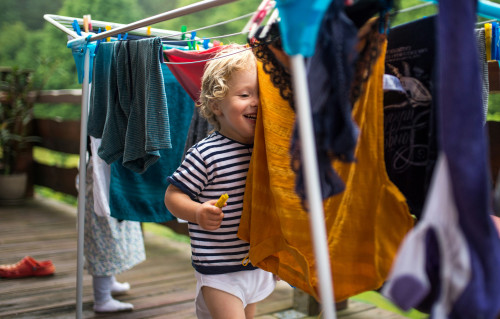
- Air-dry children’s clothes flat on a towel or hang them on a drying rack.
- Reshape garments while they’re still damp, especially wool and knits.
- Avoid direct sunlight, which can fade colors and dry out fibers.
If you must use a dryer, choose the lowest heat setting and remove clothes while they’re still slightly damp.
Step 5: Prewash and Iron with Care
Some natural fabrics benefit from prewashing before first use—especially if you’re sewing or altering children’s clothes yourself. This removes excess fibers and minimizes later shrinkage. When ironing, use low to medium heat and steam, but don’t press too hard. Steam helps fibers return to their original shape without flattening them.
Step 6: Store Clothes Properly
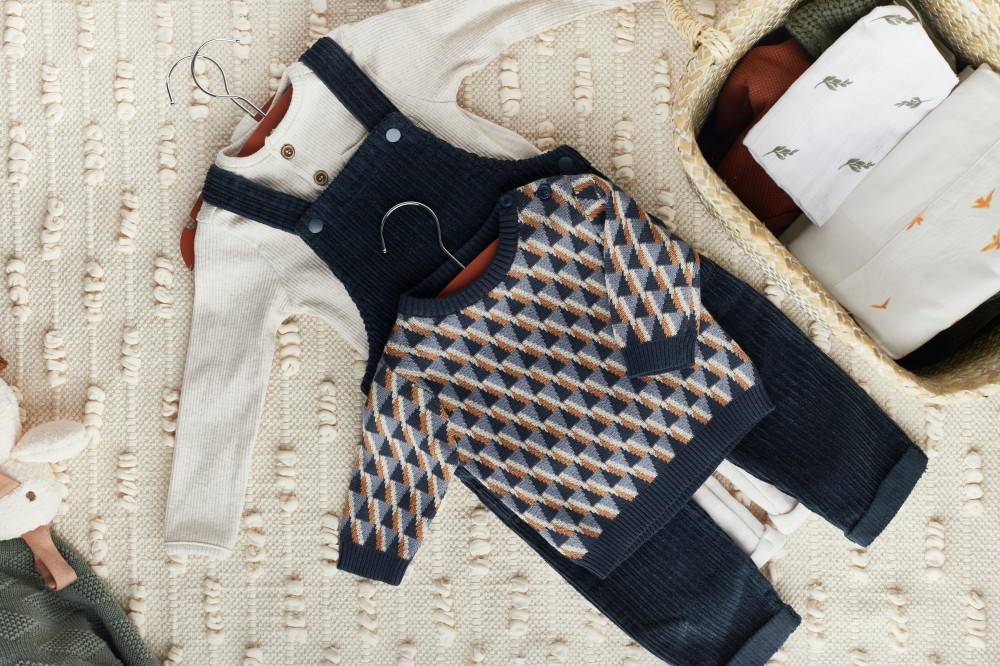
Even after washing, improper storage can affect a garment’s shape. Fold wool and knitwear instead of hanging them to prevent stretching. Cotton and linen can be hung, but avoid damp areas that can cause fibers to tighten or mildew to form.
A Bonus Tip: Wash Less Often
Natural materials often don’t need frequent washing. Wool, for example, is naturally odor-resistant and can be refreshed by airing it out. Cotton can also be revived by hanging it outside in the shade. The fewer washes, the longer the clothes will keep their size, color, and quality.
Preserve the Clothes – and the Joy They Bring
Preventing shrinkage isn’t just about technique—it’s about care and mindfulness. By treating your child’s natural-fiber clothing gently, you extend its life, save money, and reduce environmental impact. With the right habits, natural materials can stay soft, comfortable, and perfectly fitted—wash after wash.
Læs også: