The History of Beauty: Cultural Contributions to the Evolution of Skincare Through Time

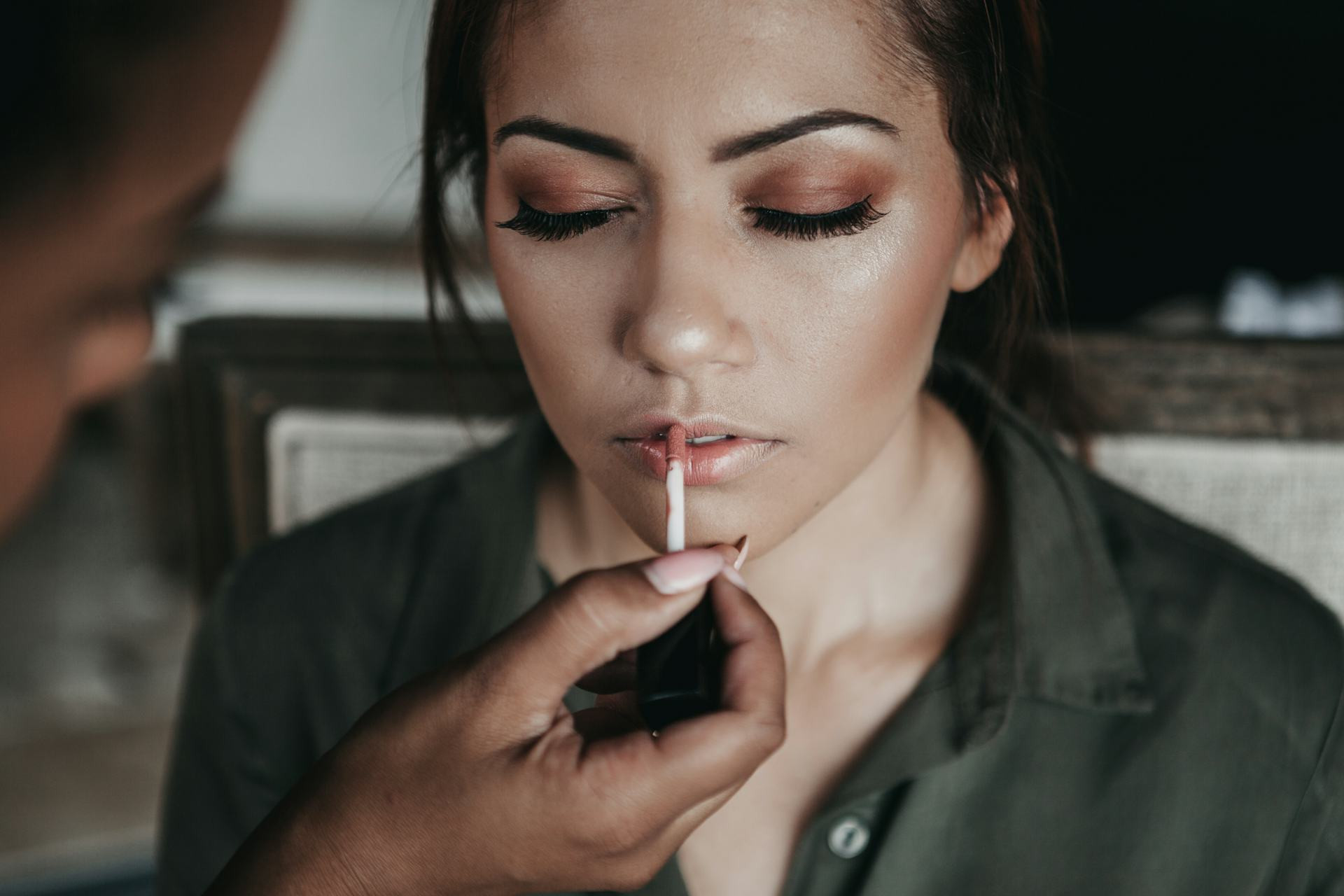
The History of Beauty: Cultural Contributions to the Evolution of Skincare Through Time
Beauty ideals and skincare rituals have accompanied humanity since the dawn of civilization. From ancient Egypt to today’s global beauty industry, people have used natural resources, cultural symbols, and scientific innovation to express identity, status, and aesthetics. Beauty has never been only about appearance—it has always reflected culture, belief, and self-understanding. Here’s a look at how different cultures have shaped the evolution of skincare through time.
Ancient Egypt – Beauty as Power and Protection
In ancient Egypt, beauty was deeply tied to religion and social standing. Both men and women used cosmetics not only to adorn themselves but also to protect their skin from the harsh sun and ward off evil spirits. Black kohl around the eyes served as both a sunblock and a symbol of divine protection, while green malachite pigments highlighted the eyelids.
Cleopatra remains an icon of this era. Her milk baths, honey masks, and perfumed oils reflected a culture where skincare was both a luxury and a spiritual practice. Many of the ingredients Egyptians used—such as aloe vera, olive oil, and beeswax—are still staples in modern skincare.
Greece and Rome – Harmony and Well-Being
For the ancient Greeks, beauty represented harmony between body and soul. The ideal of kalokagathia—to be both beautiful and virtuous—shaped everything from art to personal care. Women used olive oil to moisturize their skin and honey as a natural cleanser. Pale skin was associated with nobility, leading some to use powders made from lead or chalk, a practice later found to be toxic.
The Romans expanded on Greek traditions, building elaborate bathhouses where hygiene and beauty went hand in hand. Bodies were scrubbed with oils and sand, and perfumes became essential to personal grooming. Roman women experimented with hair dyes, nail care, and jewelry—an early expression of fashion consciousness that still resonates today.
Læs også:
Ancient Asia – Balance and the Power of Nature
Across Asia, beauty has long been linked to philosophy and nature. In China, porcelain-like skin symbolized refinement and virtue. Women cleansed their faces with rice water and used herbs like ginseng and green tea to preserve youthfulness. Traditional Chinese medicine viewed beauty as a reflection of inner balance—a concept that continues to influence modern wellness.
In Japan, geishas developed sophisticated skincare rituals using rice powder, camellia oil, and silk. Their white makeup and red lips became symbols of discipline and aesthetic perfection. In India, Ayurvedic beauty practices have for millennia combined herbs, oils, and massage to harmonize body and mind. Ingredients such as turmeric, sandalwood, and coconut oil remain popular in both Eastern and Western skincare today.
The Middle Ages and the Renaissance – Beauty in Transition
During the European Middle Ages, beauty was often viewed with suspicion. The Church associated excessive adornment with vanity, and many women adopted a more modest appearance. Still, herbal remedies, floral waters, and oils were quietly used among the upper classes.
The Renaissance revived the fascination with beauty, inspired by classical ideals. Pale skin and balanced facial proportions became fashionable once again. Women used white lead powder and berry-based rouge, while perfumes from Italy and France became symbols of sophistication. Beauty was now intertwined with art, culture, and social prestige.
The 19th and 20th Centuries – From Homemade Remedies to Industry
The Industrial Revolution transformed skincare forever. New technologies made it possible to mass-produce soaps, creams, and perfumes. By the late 1800s, cosmetics became more accessible, and advertising began shaping beauty ideals. Entrepreneurs like Helena Rubinstein and Elizabeth Arden turned skincare into a global business, introducing the concept of a daily “beauty routine.”
In the 20th century, beauty became a form of self-expression. Hollywood stars set new standards of glamour, while the youth movements of the 1960s and 1970s embraced natural looks and bold experimentation. Beauty evolved into a statement of individuality and freedom.
Contemporary Beauty – Diversity and Sustainability
Today, beauty is more diverse than ever. Globalization has made it possible to draw inspiration from every corner of the world—from Korean multi-step skincare routines to Moroccan argan oil and Scandinavian minimalism. At the same time, there is growing awareness of sustainability, natural ingredients, and inclusivity.
Modern beauty is no longer about fitting a single ideal but about expressing one’s identity and caring for one’s well-being. In many ways, we’ve returned to the oldest principles: balance, nature, and respect for the body.
A Journey Through Time and Culture
The history of beauty is a story of humanity’s quest for harmony, identity, and self-expression. Each culture has left its mark—from Egyptian oils to Japanese rituals and modern innovations. Together, they reveal that beauty is not a fixed ideal but a living tradition that evolves with time and reflects who we are as people.
Læs også: