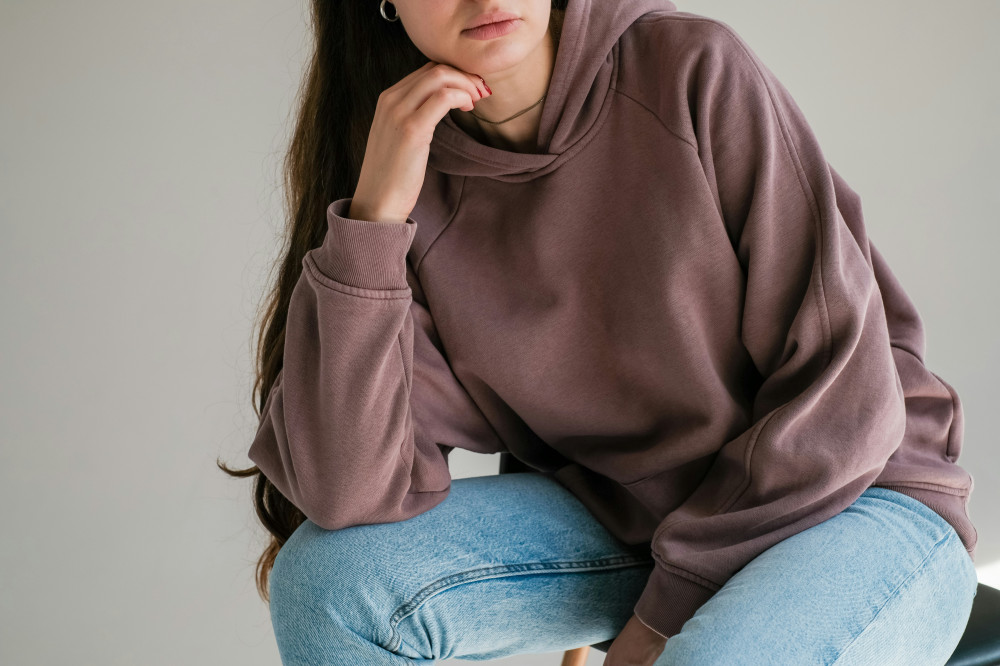
Synthetic Materials in Sweaters – Focus on Strength and Shape Retention


Synthetic Materials in Sweaters – Focus on Strength and Shape Retention
When we pull on a sweater, most of us rarely think about what it’s made of. Yet the material plays a major role in how the sweater feels, keeps its shape, and resists wear. Today, synthetic fibers such as polyester, nylon, and spandex are central to the textile industry—especially because they combine strength, flexibility, and shape retention in ways that natural fibers often can’t match. Let’s take a closer look at why synthetic materials have become so popular in sweaters and how they affect comfort and durability.
From Natural Fibers to Engineered Performance
In the past, sweaters were almost exclusively made from natural fibers like wool, cotton, or silk. These materials have many advantages—they’re breathable, comfortable, and biodegradable. But they also have limitations: cotton can lose its shape after repeated washing, wool can shrink, and silk is delicate.
Synthetic fibers were developed in the 20th century to overcome these challenges. By creating fibers chemically—often from petroleum-based sources—manufacturers could design materials with specific properties: high strength, low weight, and the ability to maintain their shape even after frequent use.
Strength and Durability – The Hidden Superpowers
One of the biggest advantages of synthetic materials is their strength. Polyester and nylon are far more resistant to abrasion than cotton or wool. This means sweaters made from these fibers last longer, even with frequent wear and washing.
For activewear and workwear, that’s a crucial benefit. A sweater used for running, hiking, or physical labor needs to withstand movement, sweat, and repeated laundering without losing its shape or developing holes. Synthetic fibers excel here—they’re strong, quick-drying, and resilient.
Shape Retention – When the Sweater Keeps Its Fit
Shape retention refers to how well a material maintains its original form. Many natural fibers tend to stretch when wet and contract as they dry, which can cause a sweater to lose its fit over time.
Synthetic fibers, on the other hand, are engineered for dimensional stability. Polyester and spandex (also known as elastane or Lycra) are often blended to provide both elasticity and firmness. The result is sweaters that fit snugly yet comfortably—and that don’t sag or stretch out after washing.
Everyday Comfort and Function
Although synthetic materials are often associated with sportswear, they’ve become common in everyday fashion as well. Advances in textile technology have made it possible to produce synthetic fibers that feel soft and natural against the skin. Many modern sweaters are made from blends that combine the best of both worlds: the breathability of cotton and the strength of polyester.
In addition, synthetic materials can be treated to wick moisture away from the body, reduce odor, and provide UV protection. These features make them ideal for active lifestyles—whether you’re out for a jog or just running errands.
Læs også:



Challenges and Sustainability
Synthetic materials do have a downside. They’re typically made from fossil resources, and when washed, they can release microfibers that end up in waterways. For that reason, many manufacturers are now developing more sustainable alternatives, such as recycled polyester or bio-based synthetics.
Consumers can also help by washing clothes gently, using laundry bags that capture microfibers, and choosing long-lasting garments. A sweater that endures for years is, in itself, a sustainable choice.
The Future of Sweaters – Strong, Smart, and Stable
Innovation in synthetic materials is moving fast. New fibers combine strength with lightness, and some can even regulate temperature or adjust elasticity in response to movement. In the future, sweaters may not just be clothing—they could be smart textiles that adapt to the body and environment.
But no matter how advanced the technology becomes, the goal remains the same: to create sweaters that keep their shape, feel comfortable, and stand the test of time—without compromising on quality.
Læs også: