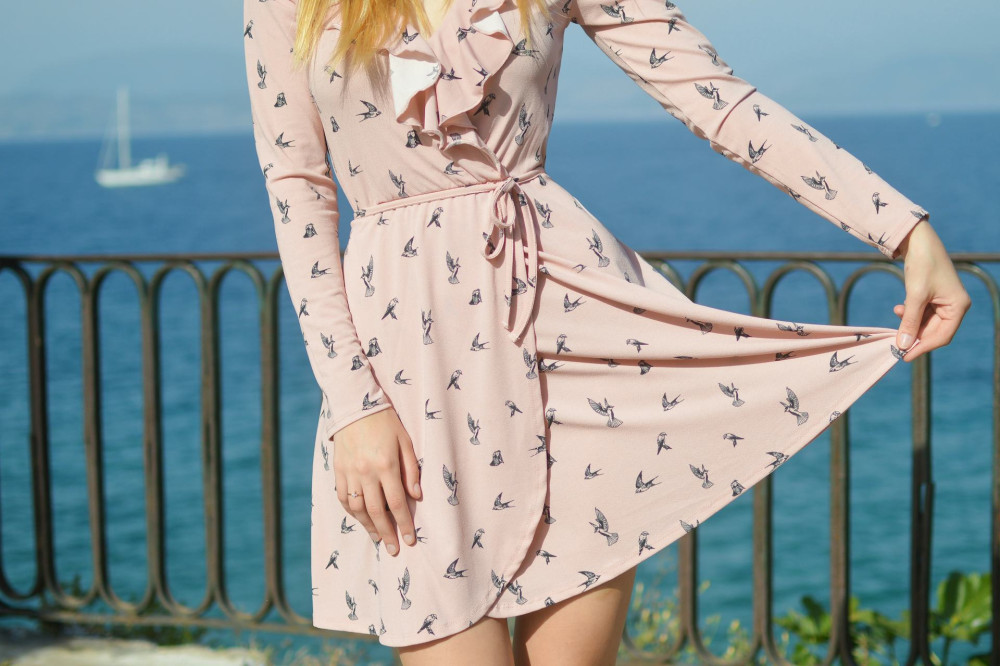
Structure in the Fabric – How the Material’s Texture Shapes the Dress


Structure in the Fabric – How the Material’s Texture Shapes the Dress
When you watch a dress move, it’s not just the cut that determines how it flows – the fabric’s texture plays a crucial role. A silk dress glides smoothly and follows the body’s motion, while one made of wool or cotton holds its shape and creates a more defined silhouette. The texture – the surface and weave of the fabric – helps shape both the dress’s form and its overall expression. Let’s take a closer look at how texture influences the way a dress looks and feels, and how you can use that knowledge when choosing or designing clothing.
From Smooth to Structured – The Role of Texture in Drape
A fabric’s texture is all about how it feels and looks on the surface. Smooth materials like satin, silk, or rayon have a fluid drape that follows the body’s contours. They’re perfect for dresses meant to feel light, elegant, and full of movement – think evening gowns or breezy summer dresses.
More structured fabrics like denim, canvas, or wool have a firmer texture and more body. They hold their shape and create volume, making them ideal for dresses with defined lines, such as shirt dresses, fit-and-flare styles, or pleated designs that need crisp structure.
Weave and Weight – Small Details, Big Impact
Even within the same fiber type, the weave can dramatically change the look and feel. A tightly woven cotton feels firm and stable, while a loosely woven cotton feels soft and airy. Fabric weight also matters: lighter fabrics drape closer to the body, while heavier ones create distance and volume.
Designers use these qualities intentionally to highlight certain parts of the body or to balance proportions. A dress with a structured bodice and a lighter, flowing skirt, for example, creates a beautiful contrast between firmness and movement.
Light, Shadow, and Surface
Texture doesn’t just affect how a fabric moves – it also changes how it interacts with light. Smooth fabrics reflect light, giving a glossy, almost liquid appearance that can make a dress feel more festive or luxurious. Matte fabrics, on the other hand, absorb light and appear more understated – perfect for everyday wear or minimalist designs.
Textured fabrics like tweed, brocade, or jacquard play with light in a different way. Their raised patterns and woven details create subtle shadows and depth, adding visual interest and character even to simple silhouettes.
Læs også:



Movement and Comfort
A fabric’s structure also influences how it feels to wear. A dense, heavy fabric can feel stable and warm, while a light, smooth one feels airy and free. When choosing material for a dress, it’s not just about appearance – comfort and function matter too.
For a dress meant for dancing or lots of movement, a lightweight, flexible fabric is ideal. For a dress that needs to hold its shape throughout the day, a more structured material will serve you better.
How to Choose the Right Fabric
When you’re standing in a fabric store or browsing online, keep these simple guidelines in mind:
- Want a soft, flowing drape? Choose smooth, lightweight fabrics like silk, rayon, or chiffon.
- Want structure and shape? Go for firm fabrics like cotton canvas, wool, or denim.
- Want contrast? Mix textures – pair matte with shiny, or structured with soft.
- Want a luxurious look? Try fabrics with woven patterns or a subtle sheen, such as satin or brocade.
Understanding texture is like learning the language of fabric – it tells you how a dress will behave and how it will feel when you wear it.
Texture as a Design Tool
For designers, texture is one of the most powerful tools for creating mood and form. A simple dress can look completely different depending on whether it’s made from silk, linen, or wool. It’s not just the cut that defines a dress’s personality, but also the character of the fabric itself.
Next time you try on a dress, pay attention to how the fabric moves and how it feels against your skin. That’s where the magic of texture reveals itself – in the interplay between material, shape, and motion.
Læs også: