Jewelry as a Symbol of Belonging and Tradition


Jewelry as a Symbol of Belonging and Tradition
For centuries, jewelry has been more than decoration. It has served as a powerful symbol of belonging, love, faith, and heritage. From wedding rings and family heirlooms to graduation gifts and cultural adornments, these small objects carry stories that reach far beyond their material value. Today, jewelry continues to play an important role in how we express identity—both as personal statements and as carriers of tradition.
Jewelry as a Sign of Connection
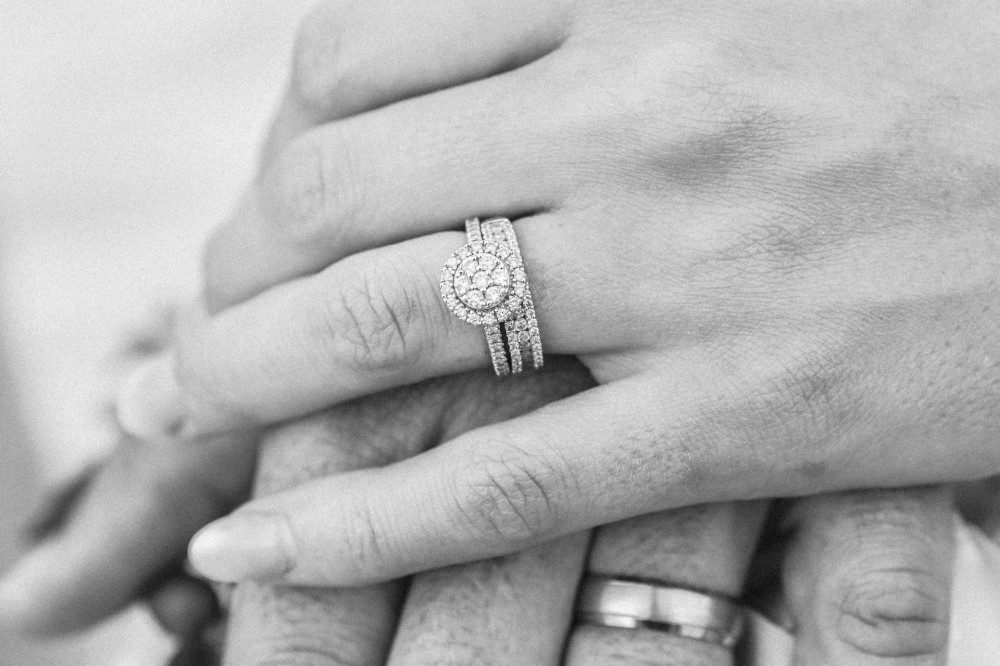
A piece of jewelry can be a visible sign that someone belongs to a particular group or relationship. The wedding ring, for example, represents the bond of marriage, while a class ring or fraternity pin can symbolize shared experiences and lifelong connections. In many cultures, jewelry marks transitions from one stage of life to another—such as baptisms, graduations, or weddings.
In modern times, friendship bracelets, matching necklaces, and team pendants have taken on similar meanings. They show that people share something special—a memory, a passion, or a sense of identity. Jewelry becomes a tangible reminder of relationships that might otherwise be invisible.
Traditions Passed Down Through Generations
Many American families treasure jewelry that has been passed down through generations. A grandmother’s locket, a father’s cufflinks, or a wedding band handed from parent to child carries both emotional and historical value. These heirlooms tell stories of love, continuity, and family roots—connecting past and present in a way few other objects can.
When a piece of jewelry is passed on, it often comes with a story: who wore it, when it was given, and what it meant. In this way, jewelry becomes a small piece of family history that continues to live in new hands.
Jewelry in Cultural and Religious Traditions
Across the United States, jewelry plays a role in diverse cultural and religious traditions. A cross pendant, a Star of David necklace, or a bracelet engraved with a meaningful verse can express faith and belonging. Native American turquoise jewelry, African beadwork, and Hawaiian shell leis each carry deep cultural significance, reflecting centuries of craftsmanship and identity.
Gold jewelry remains central to many immigrant wedding traditions, from South Asian bridal sets to Latin American quinceañera gifts. These adornments are not only beautiful—they are expressions of heritage, community, and continuity.
Læs også:



Jewelry as Personal Expression
While jewelry often connects us to tradition, it is also a deeply personal form of expression. Many people choose pieces that reflect their style, values, or beliefs. A minimalist bracelet, a ring engraved with a meaningful symbol, or a handmade pendant can tell a story about who we are and what we stand for.
In a culture that celebrates individuality, jewelry allows people to create their own narratives while still drawing on shared symbols and traditions. This dual nature—both personal and universal—is what makes jewelry so compelling.
A Small Piece of History, Worn Close to the Heart
Whether new or old, expensive or simple, every piece of jewelry carries meaning that goes beyond appearance. It can be a reminder of a person, an event, or a culture. When we wear jewelry, we carry small pieces of history close to our bodies and our hearts.
Jewelry as a symbol of belonging and tradition reminds us that what we choose to wear is not only about beauty—it is about identity, memory, and connection. These pieces tell us where we come from, who we are, and what we hope to pass on.
Læs også: