Fit for Every Body Type: How to Tailor Your Activewear to Your Proportions

Fit for Every Body Type: How to Tailor Your Activewear to Your Proportions
The right activewear isn’t just about color or brand—it’s about fit. When your clothes move with you, you perform better, feel more confident, and stay comfortable throughout your workout. Because every body is different, finding the perfect fit takes a bit of knowledge and adjustment. Here’s a guide to help you tailor your activewear so it flatters your shape and supports your movement—no matter your body type.
Know Your Body Type
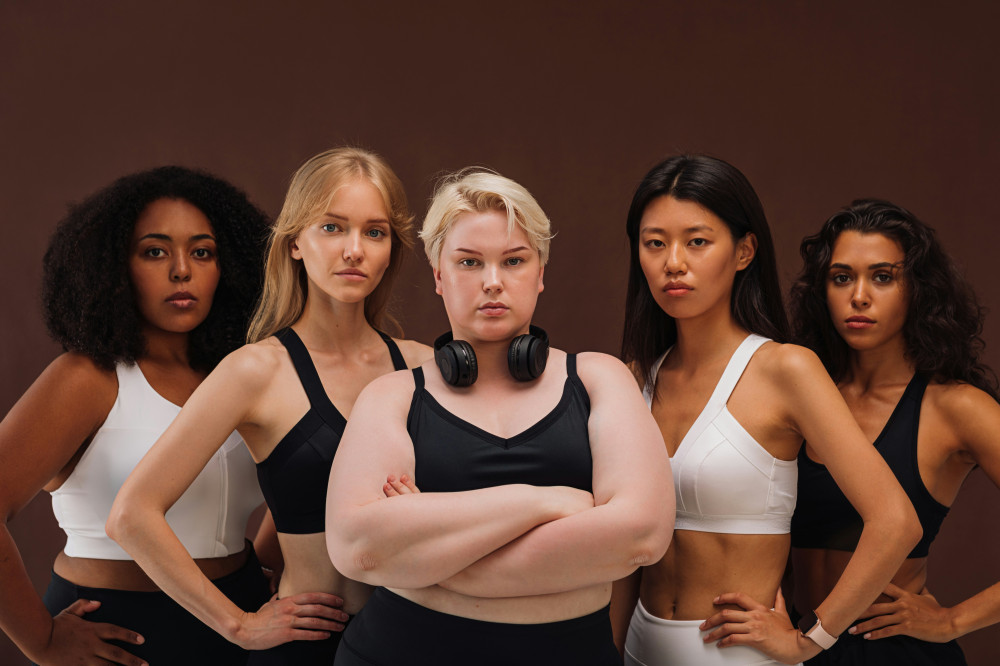
The first step is understanding your body’s proportions. This isn’t about labeling yourself—it’s about learning how clothing drapes and moves on your frame.
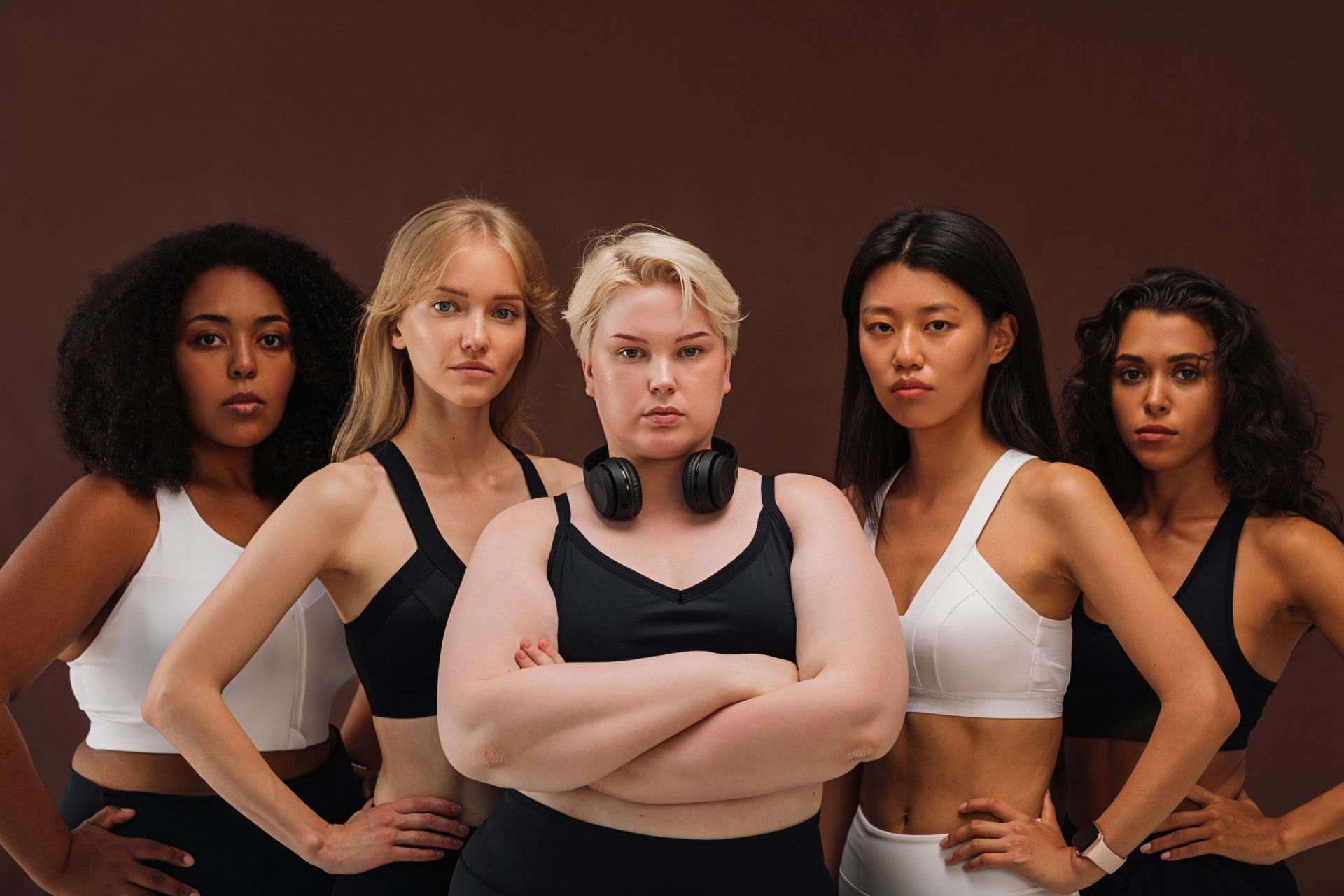
- Apple shape – broader shoulders and chest with narrower hips. Look for tops with V-necks or wrap styles and high-waisted leggings that create balance.
- Pear shape – narrower shoulders and wider hips. Choose tops with bright colors or interesting details to draw the eye upward, and darker bottoms for a streamlined look.
- Hourglass shape – defined waist with balanced shoulders and hips. Stretchy, form-fitting fabrics that follow your curves work best.
- Rectangle shape – more even proportions without a defined waist. Add shape with color blocking, layered looks, or cuts that emphasize the midsection.
Once you know your shape, it’s easier to pick cuts and fabrics that work with your body—not against it.
Choose Fabrics That Move With You
Good activewear should stretch, breathe, and support. Different materials serve different purposes:
- Spandex (elastane) provides flexibility and keeps garments snug without feeling restrictive.
- Polyester wicks away sweat and dries quickly—perfect for high-intensity workouts.
- Cotton blends feel soft and natural but can hold moisture, making them better for low-impact activities like yoga or stretching.
- Mesh panels add ventilation in key areas like underarms or behind the knees.
Think about how you move during your workouts. Runners need lightweight, moisture-wicking fabrics, while weightlifters often prefer supportive, thicker materials.
Adjust the Fit—Small Tweaks, Big Difference
Even the best activewear might need a few adjustments to fit perfectly. Here are some quick tips:
- Leggings and pants: If they slide down mid-workout, look for wide waistbands or drawstring styles. For longer legs, try “tall” options or extended inseams.
- Tops and tees: Shoulder seams should sit right at the edge of your shoulders—too high restricts movement, too low looks sloppy.
- Sports bras: The right bra should support without pinching. Try compression styles for low-impact workouts and encapsulation designs for high-impact activities.
- Jackets and outer layers: If you train outdoors, choose jackets with adjustable hems or cuffs so you can customize the fit over layers.
Details like seam placement, zippers, and elastic edges can make a big difference in comfort and performance.
Læs også:
Use Color and Cut to Your Advantage
Color and design lines can help balance your proportions. Darker shades create a slimming effect, while lighter or patterned areas draw attention. For example, if you have wider hips, pair dark leggings with a bright or patterned top to create visual harmony.
Diagonal seams, panels, and color blocking can add shape and movement to your look. The goal isn’t to hide anything—it’s to create a dynamic, confident silhouette that feels like you.
Match Fit to Your Activity
Fit isn’t just about body type—it’s also about function. Different workouts call for different fits:
- Running: Lightweight, close-fitting gear that reduces friction and wicks away sweat.
- Strength training: Flexible fabrics that allow full range of motion while offering support.
- Yoga and Pilates: Soft, stretchy materials with minimal seams for maximum comfort.
- Cycling: Padded shorts and fitted tops that stay in place and reduce wind resistance.
Choosing the right fit for your activity enhances both comfort and performance.
When Standard Sizes Don’t Work
Many people find that standard sizes don’t fit quite right—and that’s okay. More brands now offer “petite,” “tall,” and “plus” collections, so you can find pieces that better match your proportions.
If you’ve invested in high-quality activewear, consider having it tailored. A small adjustment to the waist or length can make a big difference in how your clothes look and feel.
Comfort Is the Best Fit
Ultimately, the best fit is the one that makes you feel good. Activewear should empower you to move freely and confidently, not make you self-conscious. When your clothes fit well, they become an extension of your body—so you can focus on what really matters: the movement, the energy, and the joy of being active.
Læs også: