Comfort in Motion: Elastic Details That Enhance Fit and Function

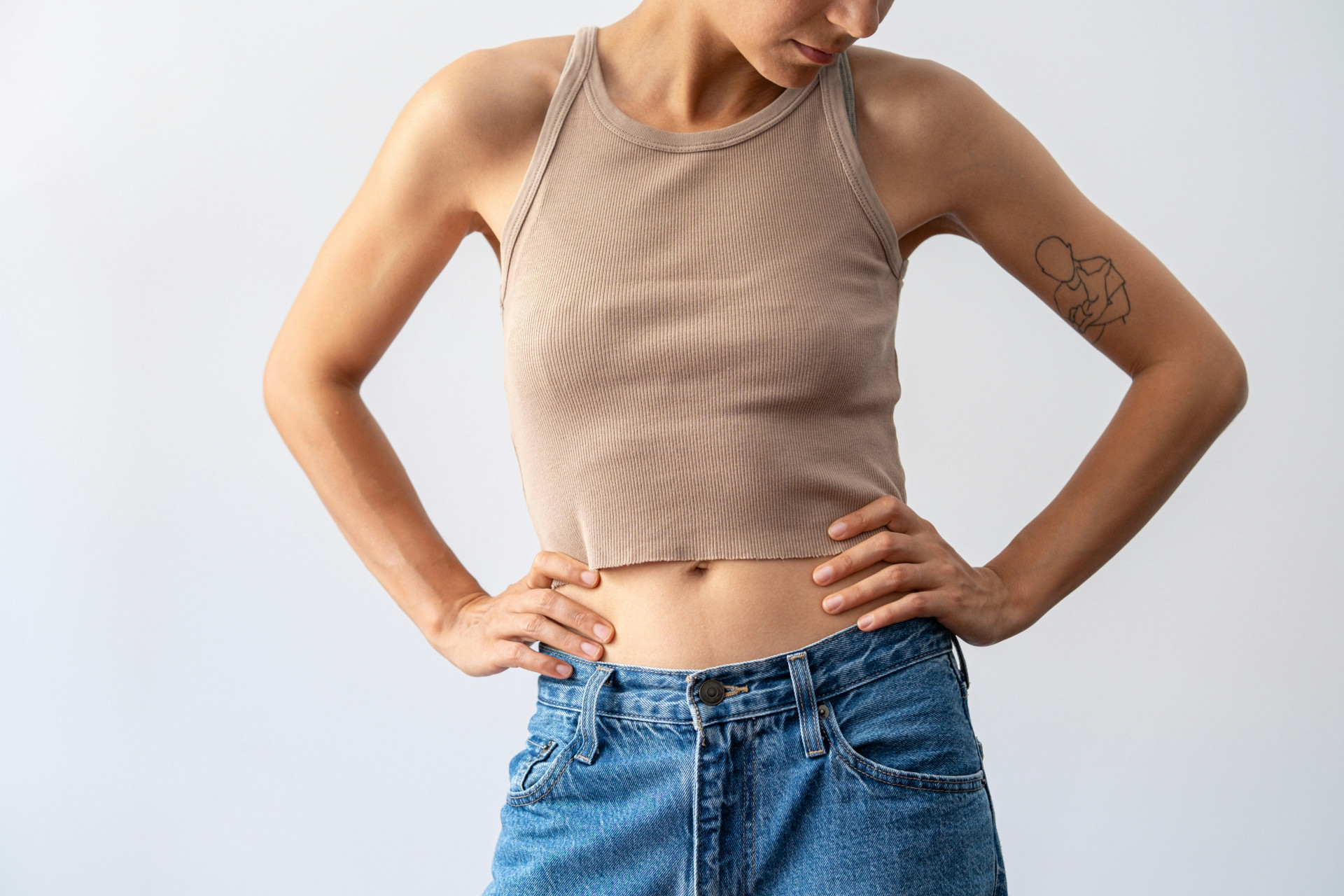
Comfort in Motion: Elastic Details That Enhance Fit and Function
As our daily lives become more dynamic and versatile, we expect our clothing to keep up. Pants, jackets, and shirts are no longer just about style—they need to move with us, adapting to every stretch, bend, and stride. That’s where elastic details come in. These subtle yet smart design elements can transform a garment from stiff and restrictive to one that feels like a natural extension of your body.
Why Elasticity Matters
Elasticity isn’t just about comfort—it’s about performance. When a fabric can stretch and recover, it adapts to your body’s movements while maintaining its shape. This means your clothes look better for longer and feel comfortable whether you’re sitting at your desk, commuting, or spending the weekend outdoors.
Today’s stretch materials range from classic blends with spandex to innovative weaves that achieve flexibility through structure alone. The common thread is freedom of movement without sacrificing appearance.
Small Details, Big Impact
Elastic details can be incorporated into clothing in many ways:
- Elastic waistbands provide a flexible fit around the midsection, making pants and skirts more comfortable throughout the day.
- Stretch panels at the knees, shoulders, or back allow for greater mobility—especially useful in workwear, activewear, and outdoor apparel.
- Ribbed cuffs and hems keep garments in place without feeling tight.
- Hidden elastic inserts in dress pants or jeans offer a polished look with added comfort.
These features may be discreet, but they make a noticeable difference in how clothing feels and performs. The best designs balance aesthetics and function seamlessly.
Textile Innovation and Technology
Advances in textile technology have revolutionized how elasticity is achieved. Manufacturers are blending elastic fibers with natural materials like cotton, wool, or linen to create fabrics that feel soft and breathable while offering stretch where it’s needed most.
Sustainability is also shaping the future of stretch fabrics. Recycled spandex and bio-based elastic fibers are emerging as eco-friendly alternatives, allowing brands to combine comfort with environmental responsibility.
Læs også:


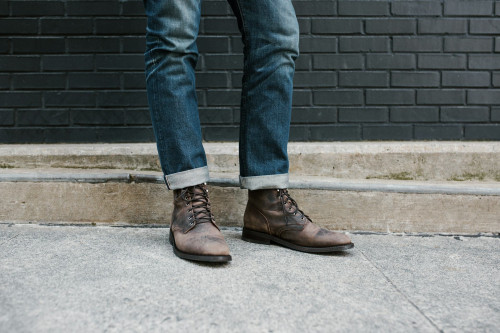

Comfort as a Design Philosophy
Elasticity used to be seen as a purely practical feature—something added to make clothing more wearable. Today, it’s a core part of design philosophy. Many American brands now design with the principle that comfort and style should be equal priorities. Fit is considered from the very beginning, and elastic details are used strategically to enhance natural movement and silhouette.
For consumers, this means no more choosing between looking sharp and feeling good. A pair of trousers can be both tailored and comfortable, even after a long day of meetings or travel.
How to Choose Clothing with the Right Flexibility
When shopping for clothes, pay attention to how elasticity is built into the design:
- Move around in the fitting room—sit, stretch, lift your arms. Does the garment move with you?
- Look for fabric descriptions like “stretch,” “bi-stretch,” or “flex weave.”
- Check where the elastic elements are placed—ideally, they should support areas that need the most mobility.
- Be mindful of balance: too much stretch can cause garments to lose structure, while too little can restrict movement.
A small amount of elasticity often goes a long way toward achieving lasting comfort and a flattering fit.
The Future of Flexible Fashion
The next generation of textiles is already on the horizon. Researchers are developing smart fabrics that respond to body heat, moisture, and motion—adjusting their elasticity in real time. This innovation could lead to clothing that truly adapts to the wearer, merging comfort, performance, and technology in new ways.
Until then, we can appreciate the elastic details already enhancing our everyday wardrobes—making life a little more comfortable, whether we’re at work, on the move, or simply relaxing at home.
Læs også: