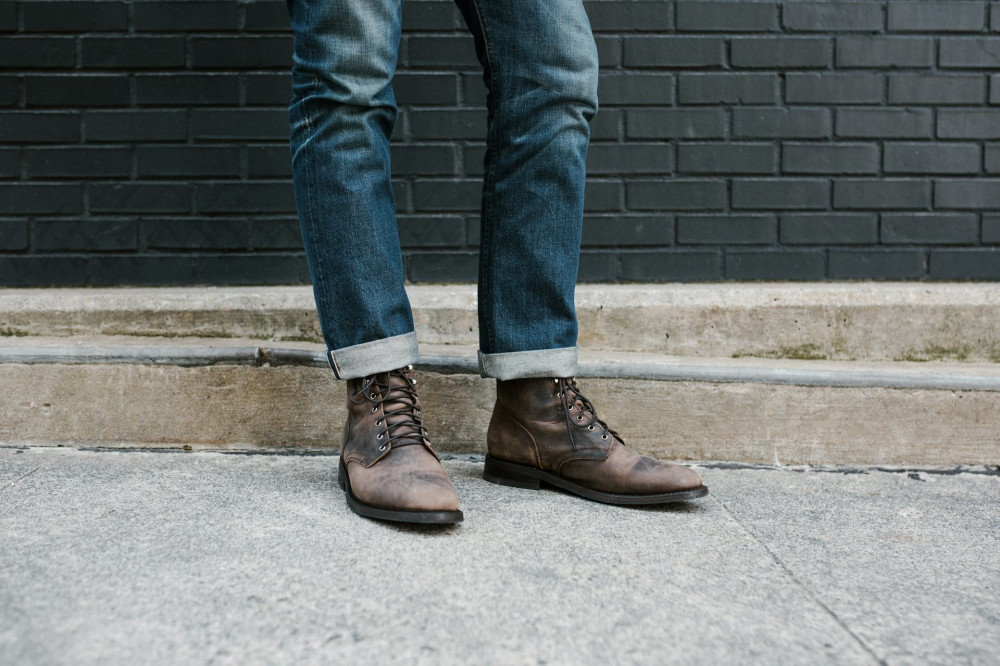
Avoid Shrunken Pants: Practical Tips for Washing and Care

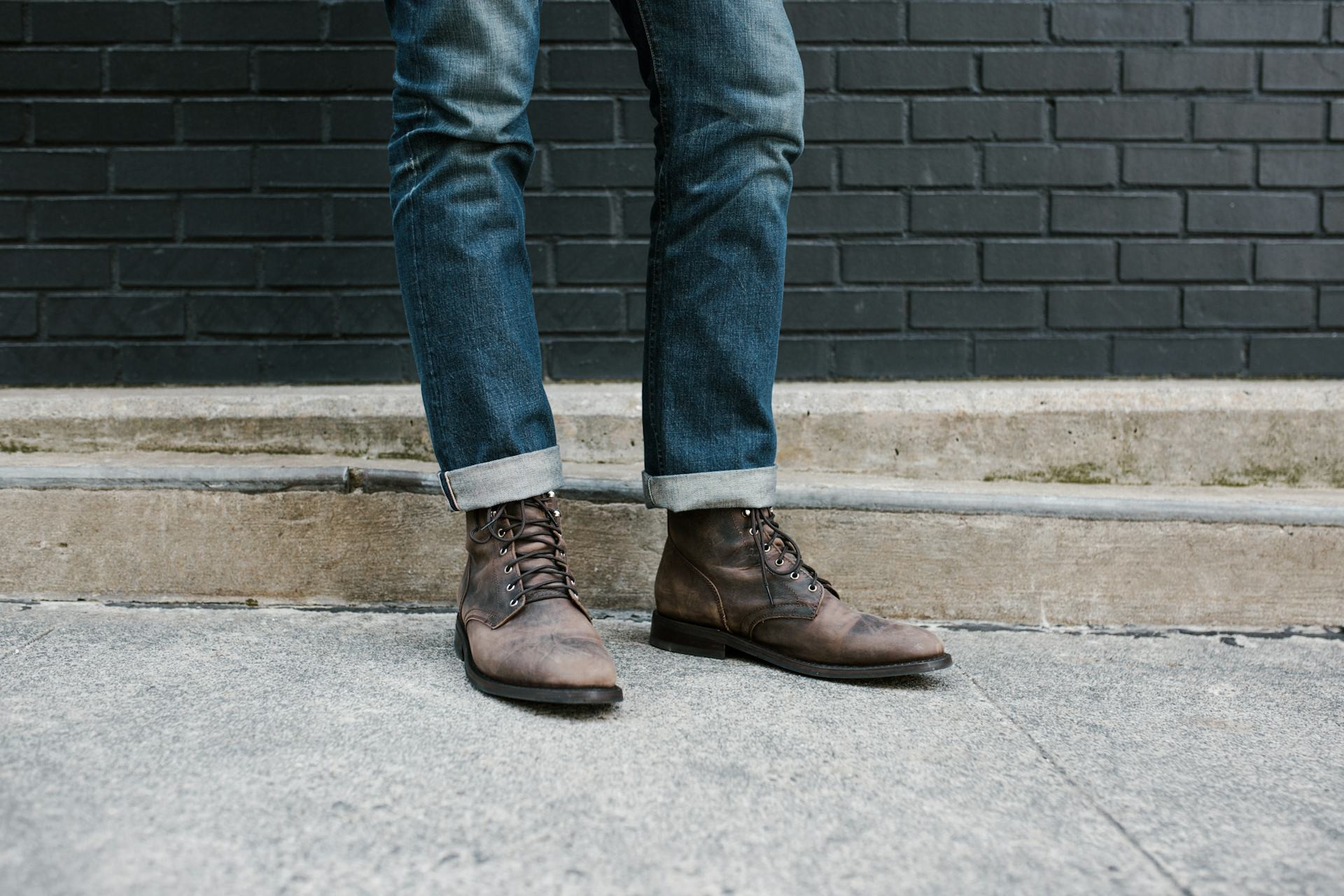
Avoid Shrunken Pants: Practical Tips for Washing and Care
Few things are more frustrating than pulling your favorite pair of pants out of the washer only to find they’ve mysteriously shrunk a size. Shrinkage is a common issue, especially with natural fabrics like cotton, wool, and linen. The good news is that with a little knowledge and a few simple habits, you can keep your pants looking and fitting like new. Here are some practical tips for washing and caring for your pants so they maintain their shape, color, and comfort for as long as possible.
Know Your Fabric – It’s the Key to Proper Care
Before tossing your pants in the washer, take a moment to check what they’re made of. Different fabrics react differently to heat, water, and movement.
- Cotton: Prone to shrinking in high heat. Wash in cold or warm water (no hotter than 86°F) and avoid the dryer if you want to preserve the fit.
- Wool: Very sensitive to temperature changes and agitation. Use a wool or delicate cycle, a gentle detergent, and lay flat to dry.
- Linen: Can handle slightly higher temperatures but often shrinks the first time it’s washed. Wash in cool water and iron while still slightly damp.
- Synthetic fabrics (polyester, spandex, etc.): Rarely shrink, but can lose elasticity with too much heat. Wash in cold water and skip the dryer when possible.
Always check the care label inside your pants—it’s your best guide to how the fabric should be treated.
Wash Gently – and Avoid Heat Shock
Most shrinkage happens when clothes are exposed to sudden temperature changes or rough handling in the washer. Follow these simple rules to protect your pants:
- Wash in cold or warm water—cold is usually enough to get clothes clean.
- Use a gentle or delicate cycle, especially for jeans or wool.
- Don’t overload the washer; clothes need room to move freely.
- Choose a mild detergent without bleach.
- If hand washing, rinse in cool water and avoid wringing out the fabric.
Gentle washing not only prevents shrinkage but also helps your clothes last longer and saves energy.
Dry with Care
The dryer is convenient, but it’s also one of the biggest culprits behind shrunken clothes. The combination of heat and tumbling causes fibers to contract.
- Air drying is the best option. Hang your pants on a drying rack or hanger and reshape them while they’re still damp.
- Avoid direct sunlight, especially for dark fabrics, as it can cause fading.
- If you must use a dryer, choose a low-heat or “tumble dry low” setting and remove the pants while they’re still slightly damp. Hang them to finish drying.
Ironing and Steaming – Keep the Shape
Ironing can help restore the shape of pants that have tightened up a bit. Use low to medium heat and always follow the care label instructions. For wool and linen, steam is a gentle way to smooth wrinkles without damaging the fibers.
A good trick is to place a thin, damp cloth between the iron and the fabric—this protects the material and gives a smoother finish.
Prevent Shrinkage from the Start
Some pants are labeled “pre-shrunk,” meaning the fabric has already been treated to minimize shrinkage. When shopping, check for this label if you want to reduce the risk.
You can also prevent shrinkage by:
- Washing new pants separately the first time.
- Using only the recommended amount of detergent—too much can stiffen fabric.
- Storing pants in a cool, dry place to prevent moisture damage.
Læs også:

What If the Damage Is Done?
If your pants have already shrunk, you may be able to stretch them back a bit. Lay them flat on a towel while damp and gently pull the fabric in both directions. For cotton or linen, adding a small amount of hair conditioner or fabric softener to the rinse water can help relax the fibers before reshaping.
You might not get them back to their original size, but you can often recover enough length and width to make them wearable again.
Treat Your Pants Well – and They’ll Last Longer
Avoiding shrinkage is really about mindful care. Wash in cool water, skip the high heat, and follow the care label. It takes just a little extra attention, but the payoff is pants that keep their fit, color, and comfort for years to come.
Læs også: