Material Mix in Bags – Where Function Meets Style

Material Mix in Bags – Where Function Meets Style
Bags have evolved far beyond their original purpose of carrying our essentials. Today, they’re an extension of personal style and a reflection of how we live. The modern consumer expects more than just good looks – durability, comfort, and sustainability all play a role. That’s why more designers and brands are turning to material mixes: creative combinations of leather, canvas, nylon, recycled fabrics, and metal accents that bring together the best of both function and fashion.
Why Material Mix Has Become a Trend
In the U.S., where lifestyles range from fast-paced city commutes to outdoor adventures, versatility is key. A bag needs to transition seamlessly from the office to the weekend. Mixing materials allows designers to take advantage of each one’s strengths: leather for its timeless appeal, canvas for its ruggedness, nylon for its light weight, and metal hardware for structure and character.
At the same time, material mixing opens up new aesthetic possibilities. Contrasting textures and tones can make a bag feel both classic and contemporary – appealing to those who want something distinctive without being flashy.
When Design Meets Function
Combining materials isn’t just about looks; it’s also about performance. Many American brands now design bags with reinforced leather bottoms to handle daily wear, paired with lightweight nylon bodies to keep things easy to carry. Others use water-resistant fabrics with soft leather trims, creating bags that can handle a sudden rain shower while still looking refined.
Inside, material choices matter too. A microfiber-lined pocket can protect a laptop or tablet, while mesh compartments keep gym gear ventilated. It’s in these thoughtful details – the interplay of materials – that a bag’s true functionality shines.
Sustainability and Recycled Materials
Sustainability has become a major driver in the U.S. fashion industry, and bags are no exception. Designers are experimenting with recycled polyester, organic cotton, and vegetable-tanned leather to reduce environmental impact. By combining these materials, they can create products that are both durable and eco-conscious.
Some brands are also embracing modular design, allowing straps, zippers, or panels to be replaced instead of discarded. This approach extends a bag’s lifespan and supports a more circular economy – a growing priority for environmentally aware consumers.
Læs også:


Style Versatility – From Urban to Classic
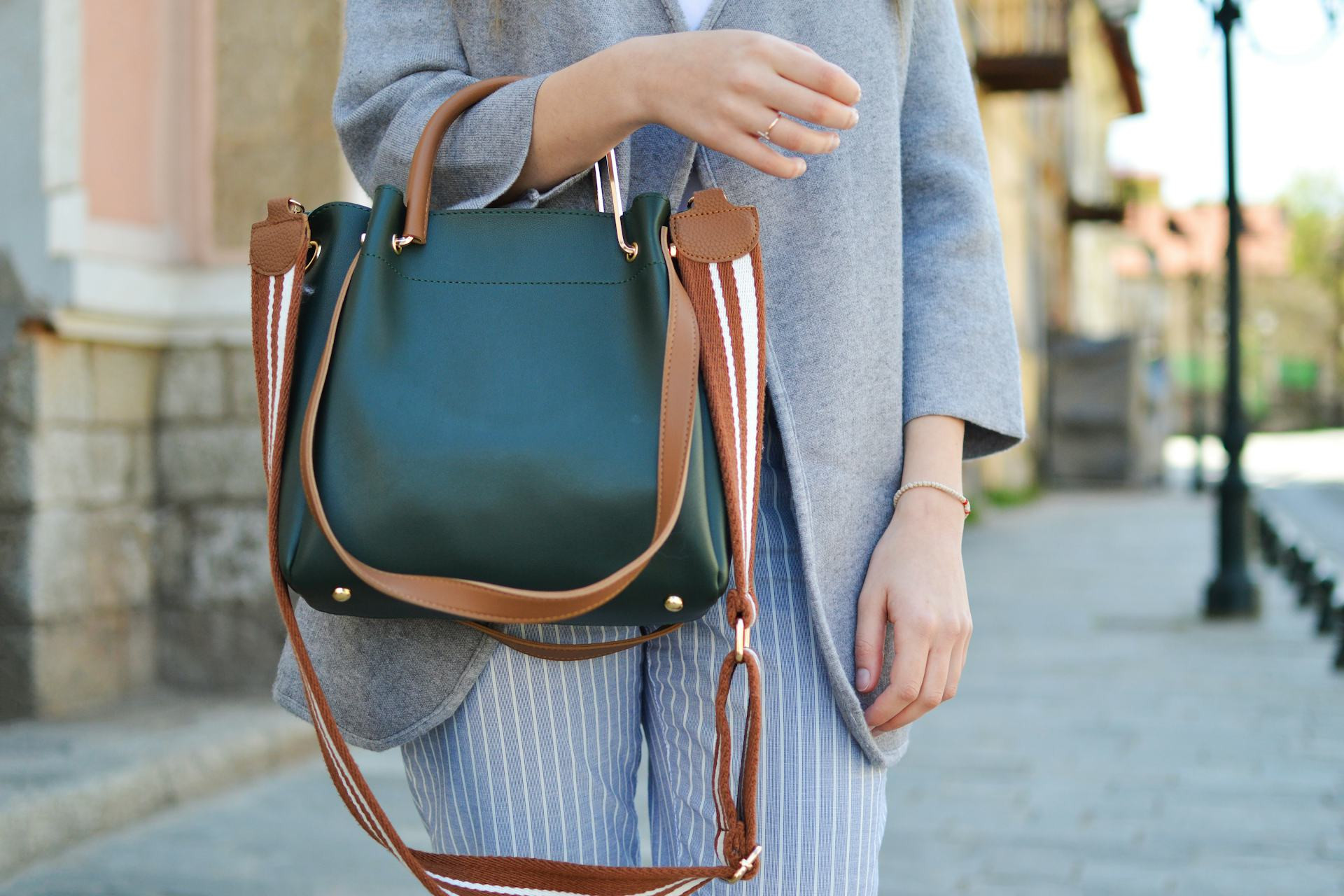
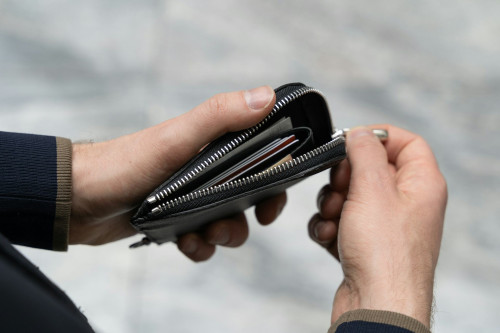
Material mixing also allows for a wide range of styles. A sleek combination of black leather and technical nylon gives off an urban, minimalist vibe, while canvas with brass details evokes a vintage, outdoorsy feel. For a sporty look, mesh panels and reflective elements add both function and flair.
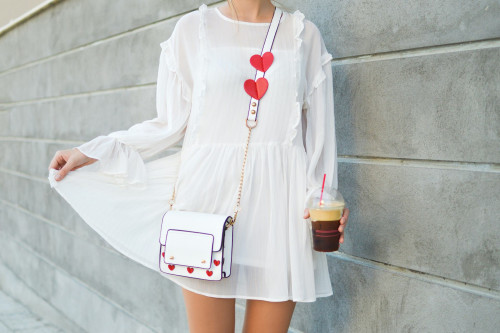
This flexibility is what makes material mix so exciting: it adapts to every lifestyle and taste. Whether you’re looking for a work tote, a weekend duffel, or a compact crossbody, there’s a design that balances comfort, durability, and personality.
How to Choose the Right Bag
With so many options, it helps to think about how you’ll use your bag day to day:
- For commuters: Choose a mix of nylon and leather – lightweight yet strong enough for daily use.
- For creatives: Look for textile surfaces and bold color contrasts that express individuality.
- For the eco-conscious: Seek out brands using recycled or upcycled materials and offering repair services.
- For timeless style: A leather-and-canvas combination ages beautifully and never goes out of fashion.
The best bag feels like a natural extension of your lifestyle – practical, comfortable, and effortlessly stylish.
A New Chapter in Bag Design
The rise of material mix marks a shift in how we think about design. It’s no longer about choosing a single material, but about creating harmony between several. When function meets style, the result is a bag that not only fits the moment but also stands the test of time – built for movement, made with intention, and designed with an eye for detail.
Læs også: