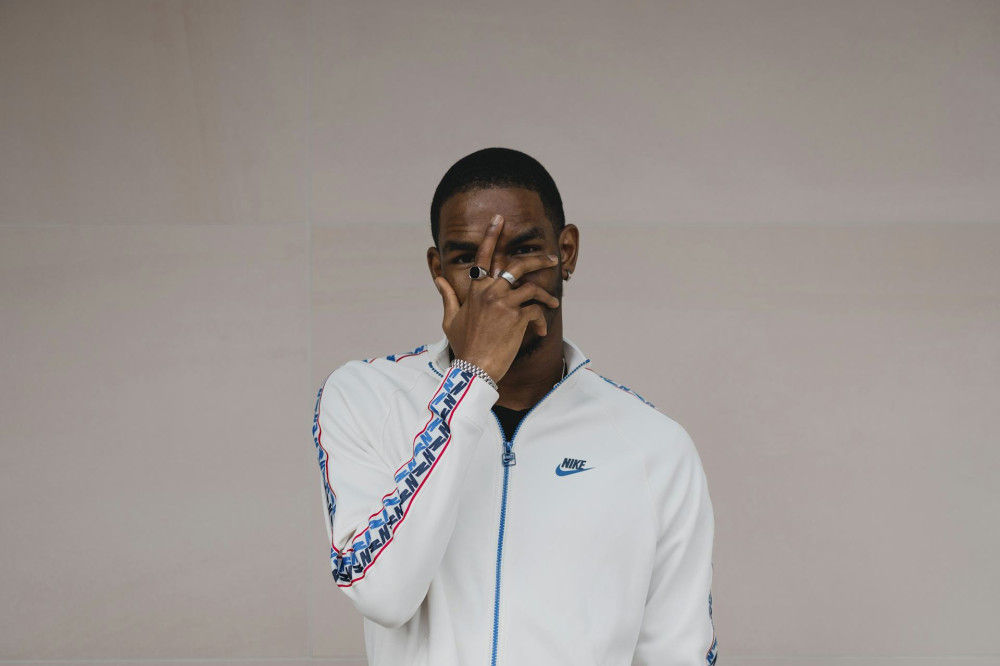
From Oversized to Slim Fit – How the Fit Shapes Your Look

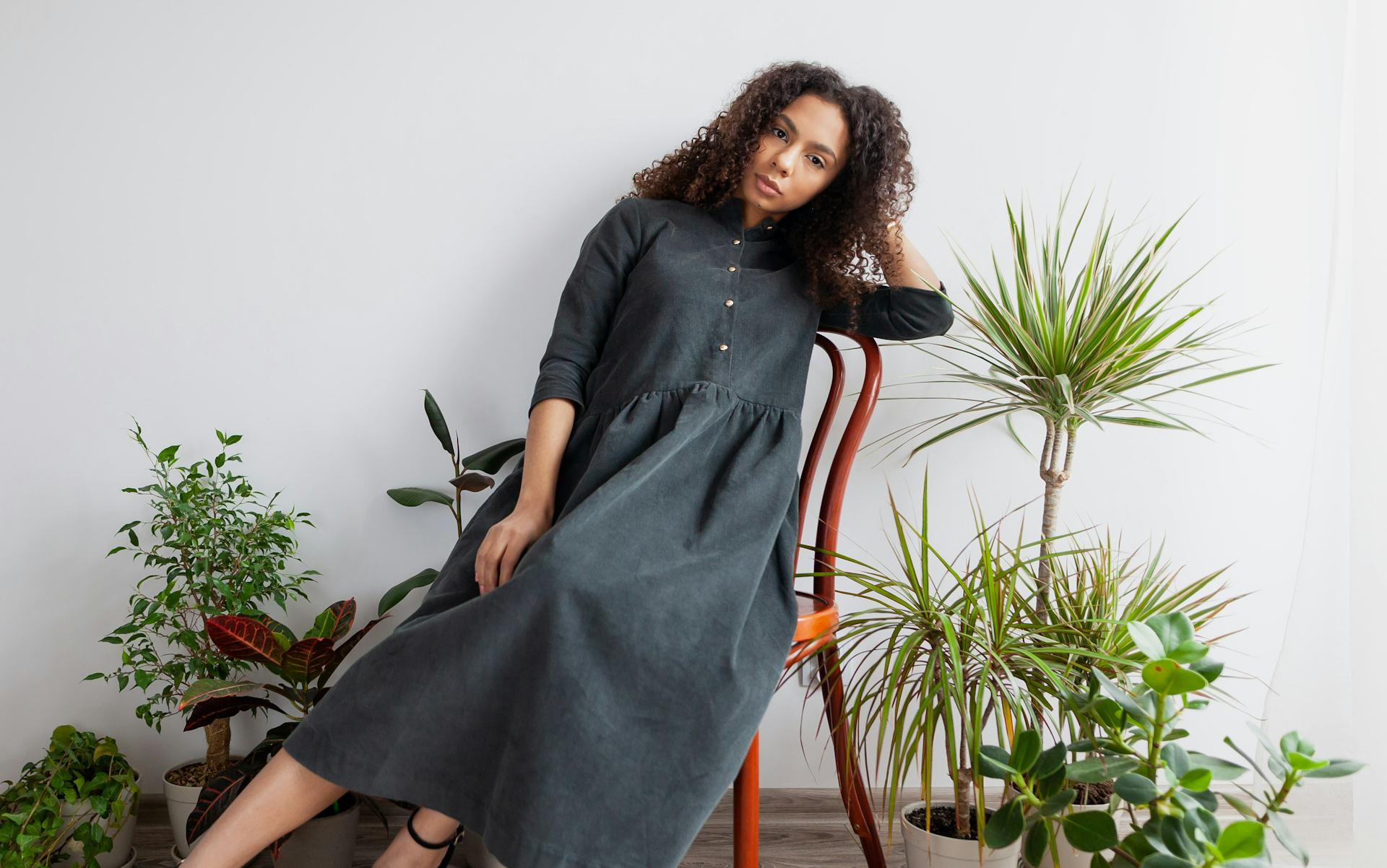
From Oversized to Slim Fit – How the Fit Shapes Your Look
The fit of your clothes is about much more than comfort – it’s a key part of how you’re perceived. A perfectly tailored suit can project confidence and professionalism, while a loose hoodie can express creativity and ease. Over the past few decades, fashion has shifted from baggy silhouettes to more fitted cuts – yet both styles coexist today. Let’s take a closer look at how fit shapes your appearance and how to find the style that feels right for you.
From ’90s Baggy to Today’s Balance
Fashion history shows that fit always reflects the spirit of the times. In the 1990s, oversized jeans, roomy T-shirts, and boxy jackets dominated – a look that spoke of freedom and youthful rebellion. In the 2000s and 2010s, slimmer cuts took over, and “slim fit” became synonymous with a polished, modern aesthetic.
Today, it’s not about choosing one or the other. Many people mix the two: pairing a relaxed shirt with tapered pants, or a fitted tee under an oversized blazer. The goal is balance and intention – not blind trend-following.
Læs også:

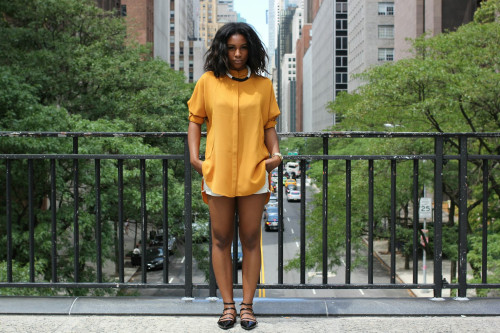


What Your Fit Says About You
Fit influences how others see you – and how you feel in your own skin. Here are some general impressions each fit can create:
- Oversized: Suggests creativity, confidence, and a laid-back attitude. It can give an urban, fashion-forward vibe, but works best when proportions are balanced so you don’t disappear in the fabric.
- Regular fit: The timeless middle ground – neither too tight nor too loose. It conveys approachability and ease, making it ideal for everyday wear or casual workplaces.
- Slim fit: Highlights your shape and gives a sharp, put-together look. It can feel more formal and structured, but also energetic and purposeful.
Choosing your fit isn’t just about fashion – it’s about identity. What do you want to express, and how do you want to feel when you step out the door?
Comfort and Confidence Go Hand in Hand
While fit affects your visual impression, comfort determines how you carry yourself. Pants that pinch or a shirt that feels restrictive can make you seem uneasy, no matter how stylish the cut.
That’s why it’s worth taking the time to try things on and move around. Sit, stretch, raise your arms – your clothes should move with you, not against you. When you feel comfortable, you naturally project confidence, and that’s what truly makes an outfit work.
How to Find the Right Fit
Finding the fit that flatters you most takes a bit of experimentation. Here are a few simple tips:
- Know your body shape – broad shoulders, narrow waist, or long legs all call for different cuts.
- Play with contrast – pair a loose top with slim pants, or vice versa, to create visual balance.
- Mind the proportions – an oversized look works best when the pieces still have structure and don’t overwhelm your frame.
- Dress for the occasion – slim fit for the office, regular fit for everyday wear, oversized for weekends or creative settings.
The key is to feel like yourself – not like a copy of a trend.
Fit as a Form of Personal Style
Once you know which cuts suit you, fit becomes a creative tool. A relaxed shirt can give an artistic edge, while a tailored blazer signals professionalism. By varying fit, you can create different moods with the same wardrobe – and get more mileage out of your clothes.
In the end, fashion is about self-expression. Whether you lean toward oversized, slim fit, or something in between, the most important thing is that your clothes feel right for you. When the fit matches both your body and your personality, your style feels authentic – and that’s when it truly stands out.
Læs også: